Address
304 North Cardinal St.
Dorchester Center, MA 02124
Work Hours
Monday to Friday: 7AM - 7PM
Weekend: 10AM - 5PM

Europe Legit Psychedelic Shop
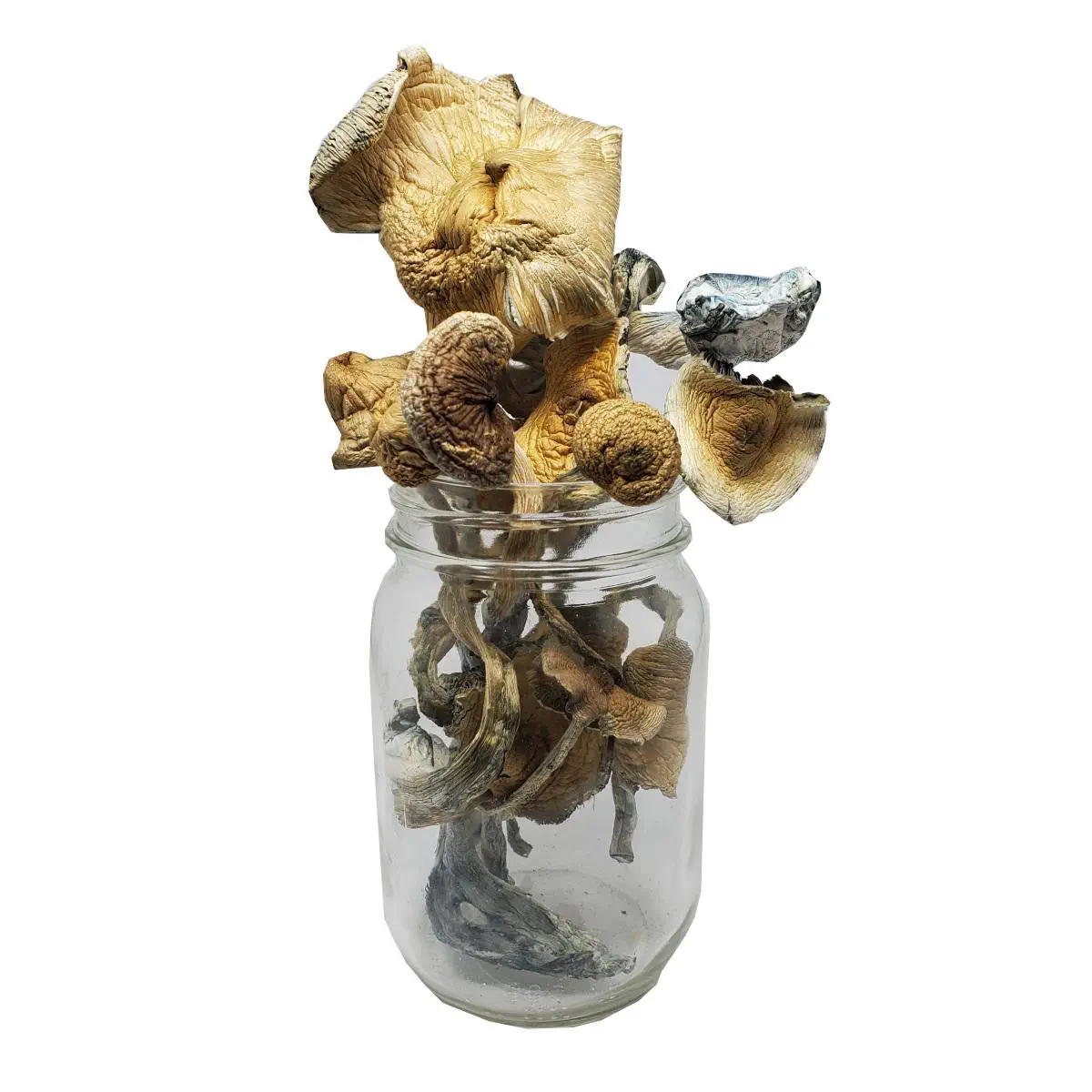
Psilocybin is a naturally occurring psychedelic compound found in over 200 species of mushrooms, commonly known as “magic mushrooms.” For decades, scientific research into psilocybin was severely restricted because of legal regulations and concerns about recreational misuse. However, the past two decades have witnessed a remarkable resurgence of clinical research investigating whether psilocybin, when administered in carefully controlled medical settings with psychological support, can help treat a variety of mental health disorders.
Today, psilocybin is one of the most extensively studied psychedelic compounds in modern psychiatry. Researchers are exploring its potential to treat treatment-resistant depression, major depressive disorder, anxiety associated with life-threatening illnesses, post-traumatic stress disorder (PTSD), obsessive-compulsive disorder (OCD), substance use disorders, eating disorders, and other psychiatric conditions. Although the results are encouraging, psilocybin remains an experimental treatment in most countries and has not yet become standard clinical practice. Where to Buy Psychedelic Mushroom Online Poland Discreetly?
This article provides a comprehensive overview of psilocybin clinical trials, how they are conducted, their major findings, recent scientific developments, safety considerations, limitations, and future directions.
Psilocybin is a naturally occurring psychoactive compound. After ingestion, the body rapidly converts psilocybin into psilocin, which primarily acts on serotonin 5-HT2A receptors in the brain.
Unlike conventional antidepressants that typically require daily dosing, psilocybin-assisted therapy generally involves one or two carefully supervised treatment sessions combined with structured psychotherapy before and after dosing.
Researchers believe the therapeutic effects result from a combination of:
Rather than serving as a standalone medication, psilocybin is viewed as part of a comprehensive therapeutic intervention.
Mental illnesses remain among the leading causes of disability worldwide. Despite numerous medications, many patients experience:
Approximately one-third of patients with major depression fail to respond adequately to conventional antidepressants.
Psilocybin has attracted attention because several studies suggest rapid symptom improvement after only one or two supervised sessions, potentially lasting weeks or months for some patients. However, researchers emphasize that more large-scale studies are still needed before widespread clinical adoption. Where to Buy Psychedelic Mushroom Online Poland Discreetly?
Modern psilocybin studies follow strict medical and ethical standards.
Researchers carefully screen volunteers.
Individuals may be excluded if they have:
This screening reduces the risk of adverse reactions.
Participants usually complete multiple psychotherapy sessions before receiving psilocybin.
Preparation includes:
Preparation is considered essential for maximizing safety.
Participants receive a carefully measured dose of pharmaceutical-grade psilocybin in a comfortable clinical environment.
Typical features include:
Sessions generally last six to eight hours.
Following the dosing session, therapists help participants process their experiences.
Integration sessions may include:
Many researchers believe integration contributes substantially to positive outcomes.
Current clinical trials investigate psilocybin for numerous conditions.
Major areas include:
Research remains ongoing for most indications.
Depression represents the most extensively studied application.
Multiple randomized clinical trials have demonstrated significant reductions in depressive symptoms following psilocybin-assisted therapy.
A recent living systematic review and meta-analysis covering 15 randomized controlled trials involving 801 participants found that psilocybin-assisted therapy produced substantially greater reductions in depressive symptoms than control conditions. The authors also noted important limitations, including relatively small sample sizes and potential sources of bias. Where to Buy Psychedelic Mushroom Online Poland Discreetly?
Patients with major depressive disorder often report:
Several clinical trials suggest psilocybin may rapidly reduce these symptoms.
A 2026 randomized clinical trial reported improvements in depression severity over both short- and longer-term follow-up among participants receiving psilocybin-assisted treatment, although further large studies are needed to confirm durability and identify which patients benefit most.
Treatment-resistant depression affects patients who have failed multiple antidepressant medications.
Recent Phase 2 research has shown clinically meaningful improvements with psilocybin-assisted psychotherapy. However, not every study has met all of its primary endpoints, illustrating that evidence remains promising but mixed and that additional confirmatory trials are required.
One of the earliest modern successes involved patients facing life-threatening cancer diagnoses.
Studies demonstrated reductions in:
Many participants reported improved quality of life lasting several months after only one supervised treatment session.
Researchers believe psychological acceptance and changes in existential perspective contribute to these improvements.
Researchers are also investigating psilocybin for addiction.
Conditions studied include:
Rather than directly suppressing cravings, psilocybin may help individuals:
Early results appear promising but require confirmation in larger randomized trials.
Small pilot studies suggest psilocybin may reduce obsessive thoughts and compulsive behaviors.
Possible mechanisms include:
Evidence remains preliminary.
Interest in PTSD has grown considerably.
Researchers hypothesize psilocybin could:
Compared with depression research, PTSD studies remain at earlier stages.
Emerging trials are investigating anorexia nervosa and related disorders.
Scientists hope psilocybin may help patients:
These studies remain exploratory.
Neuroimaging has transformed understanding of psilocybin.
Brain imaging studies demonstrate temporary alterations in communication among multiple brain networks.
Researchers have observed:
These changes may underlie increased psychological flexibility.
Recent imaging studies have also reported functional and anatomical brain changes detectable from hours to one month after a single high dose, accompanied by increases in cognitive flexibility, psychological insight, and well-being in healthy participants.
Several theories attempt to explain therapeutic benefits.
These include:
Patients often process previously avoided emotions.
Rigid negative thinking becomes less dominant.
Participants frequently report feeling more connected to:
Many individuals describe profound insights regarding relationships, priorities, and personal values.
Researchers emphasize that these experiences vary widely among individuals.
Safety is a major priority.
Participants receive continuous monitoring.
Common short-term side effects include:
Most side effects resolve within several hours.
Not every experience is pleasant.
Some participants experience:
Trained therapists provide reassurance throughout the session.
Serious adverse psychiatric events are uncommon in screened clinical populations but remain an important consideration.
Modern research continues to produce important discoveries.
The number of randomized controlled trials has grown steadily, allowing stronger evidence synthesis while still highlighting the need for larger, more diverse studies.
Emerging evidence suggests psilocybin may promote changes related to neural plasticity and brain network function that could help explain its rapid and sometimes sustained therapeutic effects, though the precise biological mechanisms remain under investigation. Where to Buy Psychedelic Mushroom Online Poland Discreetly?
Researchers increasingly believe therapeutic benefits arise from an interaction between:
No single mechanism fully explains treatment outcomes.
Recent studies show encouraging improvements in depression symptoms but also remind researchers that not all clinical endpoints are consistently met, underscoring the importance of rigorous Phase 3 research before routine clinical use.
Despite exciting findings, important limitations remain.
Many studies include fewer than 100 participants.
Larger trials are needed.
Because psilocybin produces noticeable psychological effects, participants often recognize whether they received the active drug.
This can introduce expectancy bias.
Many studies have primarily enrolled participants from Western countries.
More diverse populations should be included.
Clinical trials involve highly trained therapists and carefully controlled environments.
Results may differ in routine healthcare settings.
Researchers still need more information regarding:
Psilocybin remains a controlled substance in many countries.
However, regulatory attitudes are gradually evolving.
Some jurisdictions have established limited medical access under specific conditions, while others continue to evaluate evidence through ongoing clinical research. Internationally, policies differ considerably, and regulatory approval remains restricted rather than universal.
Researchers emphasize several ethical principles.
These include:
Maintaining rigorous ethical standards is essential as research expands.
The next decade will likely see continued advances.
Researchers aim to determine:
Large multicenter trials and ongoing evidence reviews are expected to clarify which patients are most likely to benefit and how psilocybin-assisted therapy can be implemented safely.
Psilocybin-assisted therapy represents one of the most promising areas of modern psychiatric research. Clinical trials have demonstrated encouraging results, particularly for major depressive disorder, treatment-resistant depression, cancer-related psychological distress, and certain substance use disorders. Many participants experience rapid improvements after one or two supervised treatment sessions, supported by structured psychotherapy.
Advances in brain imaging and neuroscience suggest that psilocybin temporarily alters communication between brain networks, enhances cognitive flexibility, and may promote neuroplasticity. These biological changes, combined with psychological support and integration therapy, appear to contribute to its therapeutic effects. At the same time, the evidence base still has important limitations, including relatively small study populations, challenges in blinding, limited diversity among participants, and uncertainty about long-term outcomes.
Current scientific consensus is cautiously optimistic. Psilocybin is not a proven cure for mental illness, nor should it be used outside regulated medical or research settings. Nevertheless, accumulating evidence indicates that, when administered under carefully controlled conditions with trained professionals, psilocybin-assisted therapy has the potential to become an important addition to the treatment options for selected psychiatric disorders. Continued large-scale clinical trials, long-term safety monitoring, and thoughtful regulatory evaluation will determine its ultimate place in evidence-based mental health care.
