Address
304 North Cardinal St.
Dorchester Center, MA 02124
Work Hours
Monday to Friday: 7AM - 7PM
Weekend: 10AM - 5PM
Address
304 North Cardinal St.
Dorchester Center, MA 02124
Work Hours
Monday to Friday: 7AM - 7PM
Weekend: 10AM - 5PM
Europe Legit Psychedelic Shop
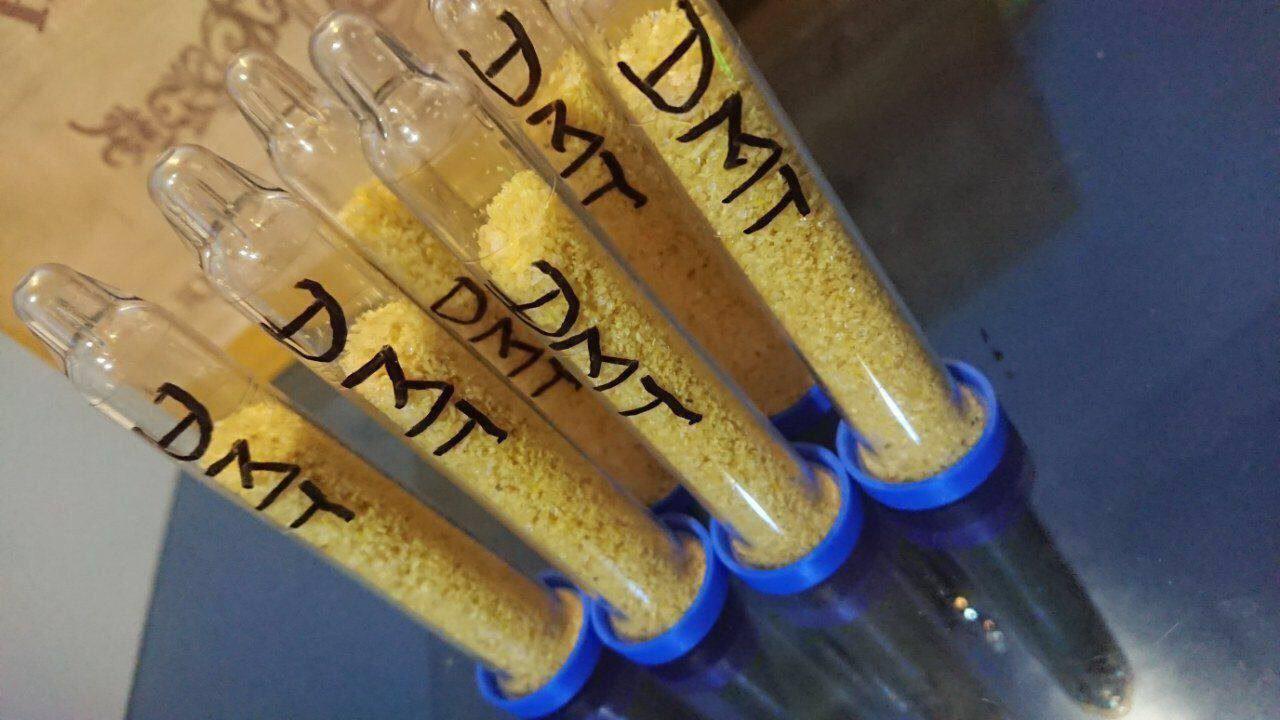
Where to Buy Dimethyltryptamine DMT Crystal Online UK Dimethyltryptamine, more commonly known as DMT, is one of the most powerful naturally occurring psychedelic compounds known to science. Often referred to as the “spirit molecule” due to the profound experiences it can produce, DMT has fascinated scientists, spiritual practitioners, psychologists, and curious individuals for decades. While its effects typically last only a short period when smoked or vaporized, many users report experiencing intensely vivid visions, altered perceptions of reality, and profound emotional or spiritual insights.
Unlike many other psychedelics, DMT is found naturally in numerous plants, animals, and even trace amounts within the human body, although its biological role remains unclear. It has been used for centuries in traditional South American ceremonies, particularly as a primary active ingredient in the ceremonial brew known as ayahuasca.
As research into psychedelic substances expands worldwide, DMT has gained renewed attention for its potential therapeutic applications as well as its remarkable effects on human consciousness. However, it also carries significant psychological risks and legal restrictions in many countries.
This beginner’s guide explores what DMT is, how it works, where it comes from, its effects, risks, legal status, scientific research, and harm-reduction considerations. Where to Buy Dimethyltryptamine DMT Crystal Online UK
DMT (N,N-Dimethyltryptamine) is a naturally occurring psychedelic belonging to the tryptamine family, which also includes compounds such as psilocin (the active ingredient in psychedelic mushrooms) and serotonin, a neurotransmitter involved in mood regulation.
Chemically, DMT closely resembles serotonin, allowing it to interact with serotonin receptors in the brain, particularly the 5-HT2A receptor, which is believed to play a central role in producing psychedelic experiences.
DMT is unique because:
Although sometimes described as a “hallucinogen,” researchers increasingly use the term psychedelic because many experiences involve altered perception, cognition, and consciousness rather than simple hallucinations.
One remarkable characteristic of DMT is that it occurs naturally in many living organisms.
Natural sources include:
Several South American plants contain significant concentrations of DMT and have traditionally been used in indigenous ceremonial practices.
Scientists have also detected very small amounts of DMT in human tissues and bodily fluids, although there is currently no evidence that naturally occurring DMT causes dreaming, near-death experiences, or mystical states. These popular claims remain unproven.
Traditional use of DMT stretches back hundreds—possibly thousands—of years.
Indigenous Amazonian cultures developed complex ceremonial traditions involving plants containing DMT. The best-known preparation is ayahuasca, a brew combining DMT-containing plants with plants containing monoamine oxidase inhibitors (MAOIs). These MAOIs allow DMT to remain active when taken orally.
Western scientific interest began during the twentieth century.
Important milestones include:
Modern neuroscience continues investigating DMT’s effects on perception, consciousness, and brain function. Where to Buy Dimethyltryptamine DMT Crystal Online UK
DMT primarily affects the brain’s serotonin system.
Its strongest activity occurs at the 5-HT2A serotonin receptor, which is considered central to psychedelic experiences.
Researchers believe DMT may also influence:
During a DMT experience, communication between different brain regions changes dramatically.
Neuroimaging studies suggest:
These changes may contribute to the highly immersive experiences users often describe.
DMT can enter the body in several ways.
This is the fastest method.
Effects typically begin within seconds and peak rapidly.
The entire experience often lasts between 5 and 20 minutes, although after-effects may persist longer.
When consumed as part of ayahuasca, DMT becomes orally active because MAOIs prevent its rapid breakdown.
The experience:
Researchers have also administered DMT intravenously in controlled laboratory settings to study consciousness and brain activity.
These studies occur under strict ethical and medical supervision.
Experiences vary dramatically between individuals.
Common psychological effects include:
Many people report that the experience feels extraordinarily real, sometimes even more vivid than ordinary waking life.
However, not everyone experiences DMT positively.
Some individuals report:
Because responses vary widely, predicting an individual’s experience is difficult. Where to Buy Dimethyltryptamine DMT Crystal Online UK
DMT is especially known for its visual intensity.
Users commonly describe:
With higher doses, visual changes may become so immersive that awareness of the surrounding physical environment is greatly diminished.
Perhaps the most distinctive feature of DMT is the profound alteration in consciousness.
People have reported:
Interpretations of these experiences vary widely and are influenced by personal beliefs, expectations, and cultural context.
Duration depends largely on how DMT is administered.
Approximate timelines:
Vaporized DMT
Ayahuasca
Individual experiences vary based on multiple factors, including dose, metabolism, and the presence of other substances. Where to Buy Dimethyltryptamine DMT Crystal Online UK
Some users describe positive outcomes such as:
Others experience:
These effects are highly individual and cannot be predicted with certainty.
Interest in DMT research has grown considerably in recent years.
Researchers are investigating:
Although early studies are promising, DMT is not currently an established medical treatment for these conditions outside approved research settings.
More large-scale clinical trials are needed to determine safety, effectiveness, appropriate dosing, and long-term outcomes.
DMT is not considered physically addictive, but it is not without risks.
Possible short-term effects include:
Psychological risks include:
People with a personal or family history of psychotic disorders may face higher psychological risks from psychedelic substances.
DMT may interact with certain medications and substances.
Of particular concern are combinations involving medications that affect serotonin or monoamine oxidase activity, which can increase the risk of serious adverse effects. Because these interactions can be dangerous, anyone taking prescription medications should consult a qualified healthcare professional rather than combining them with psychedelic substances.
Current evidence suggests DMT has low potential for physical dependence.
Unlike opioids or stimulants:
However, some individuals may develop a psychological pattern of repeated use in pursuit of certain experiences, though this appears to be relatively uncommon compared with many other psychoactive substances.
Researchers are exploring whether DMT-assisted psychotherapy might eventually have applications in mental health care.
Areas under investigation include:
These studies are still experimental, and DMT should not be viewed as a proven treatment.
Researchers consistently emphasize the importance of “set and setting.”
Set refers to:
Setting refers to:
Clinical studies generally use carefully prepared environments with trained professionals to reduce risks and support participants throughout the experience.
The legal status of DMT varies significantly around the world.
In many countries, pure DMT is classified as a controlled substance, making unauthorized manufacture, possession, or distribution illegal. Some jurisdictions provide limited exemptions for certain religious or ceremonial uses of ayahuasca under specific legal frameworks.
Anyone considering travel or participation in ceremonies should familiarize themselves with the laws of the relevant country or region.
Several myths surround DMT.
This popular claim has not been conclusively demonstrated. While trace amounts of DMT have been detected in mammals, there is no strong evidence that the human pineal gland produces large amounts responsible for mystical experiences or dreams.
Some people report encounters with seemingly autonomous beings during DMT experiences, while many others do not. These reports are subjective and not evidence that such entities exist independently.
Current research does not support the idea that a single DMT experience permanently alters the brain in healthy individuals. However, psychedelic experiences can have lasting psychological effects—positive or negative—depending on the person and the context.
For people seeking factual information, public health guidance emphasizes reducing the risk of harm. Important considerations include avoiding combining DMT with medications or substances that may interact dangerously, refraining from use if someone has certain psychiatric or cardiovascular conditions without medical advice, ensuring a safe environment to reduce the risk of accidental injury during intoxication, and never driving or operating machinery while under the influence. In research settings, psychological preparation, informed consent, and post-experience integration are considered important components of participant safety.
The coming years are likely to bring significant advances in our understanding of DMT.
Scientists continue investigating questions such as:
As clinical trials expand and neuroscience techniques improve, researchers hope to better understand both the risks and potential benefits of this unique psychedelic compound.
DMT is one of the most potent and intriguing psychedelic substances known to science. Found naturally in various plants and in trace amounts in some animals, it has a long history of ceremonial use and is now the focus of renewed scientific investigation. By acting primarily on serotonin receptors, DMT can profoundly alter perception, emotion, and the sense of self, often producing intensely vivid and deeply meaningful experiences for some individuals.
At the same time, DMT is not without risks. Experiences can be psychologically challenging, and the substance remains illegal in many jurisdictions outside approved research or limited religious contexts. Although early studies suggest potential therapeutic applications, these uses remain experimental and require further rigorous investigation.
For beginners, the most important takeaway is that DMT is a complex psychoactive compound whose effects depend on biology, mindset, environment, and context. Understanding the current scientific evidence—while recognizing the limits of what is known—provides a balanced foundation for learning about this remarkable substance.
