Address
304 North Cardinal St.
Dorchester Center, MA 02124
Work Hours
Monday to Friday: 7AM - 7PM
Weekend: 10AM - 5PM
Address
304 North Cardinal St.
Dorchester Center, MA 02124
Work Hours
Monday to Friday: 7AM - 7PM
Weekend: 10AM - 5PM
Europe Legit Psychedelic Shop
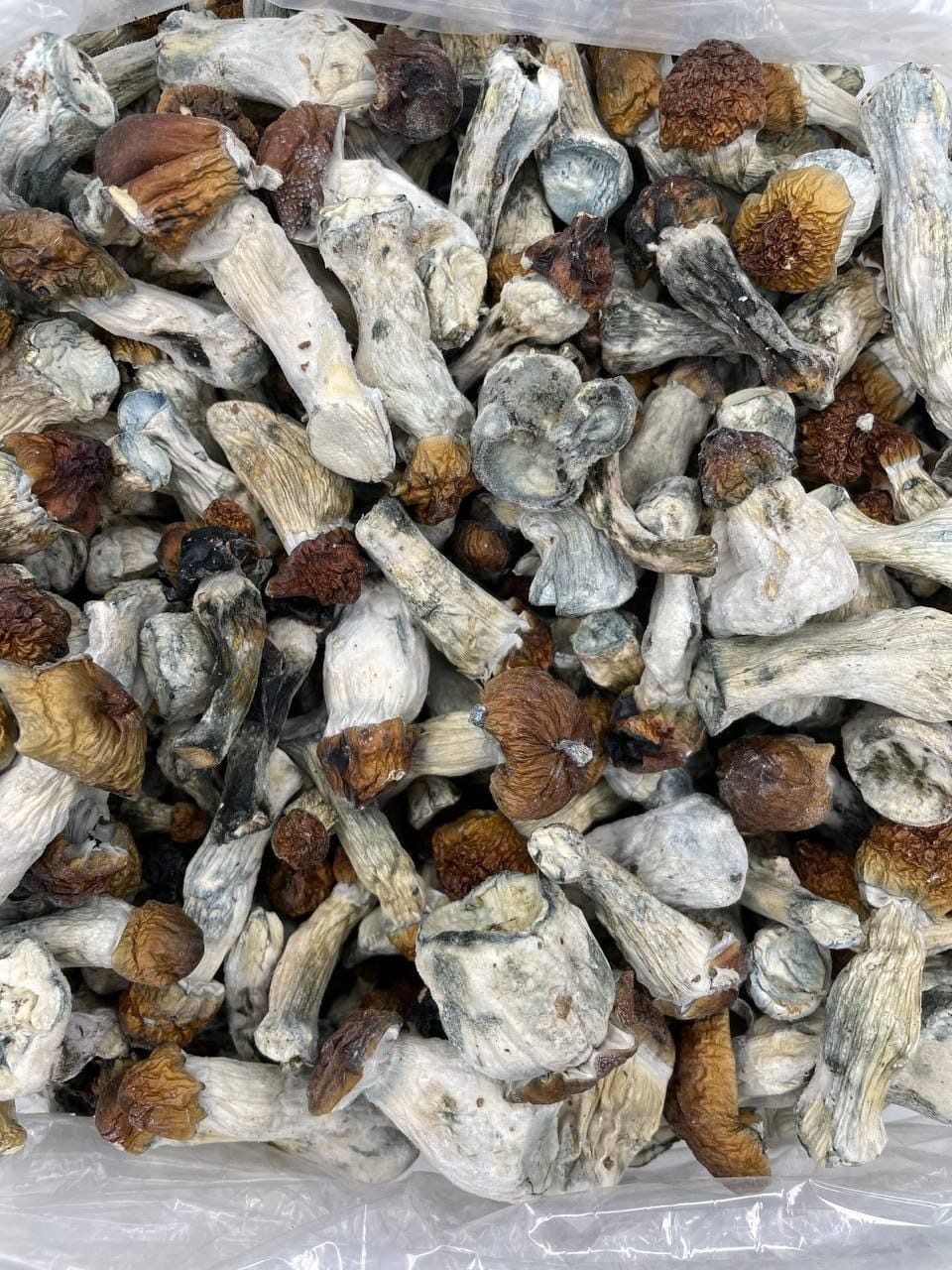
Where can I Buy Psychedelic Mushroom Online Denmark Discreetly? Psychedelic mushrooms, often referred to as “magic mushrooms,” have fascinated humanity for thousands of years. Used in religious ceremonies, traditional healing practices, and more recently in scientific research, these fungi have become the subject of intense public interest. Despite growing research into their therapeutic potential, psychedelic mushrooms remain surrounded by misconceptions, misinformation, and cultural stereotypes.
Much of the confusion stems from decades of prohibition, sensationalized media coverage, and a lack of widespread education. While some people portray psychedelic mushrooms as miracle cures capable of solving every mental health issue, others view them as extremely dangerous substances that inevitably lead to addiction, insanity, or permanent psychological damage. The truth lies somewhere between these extremes.
Modern scientific studies have significantly expanded our understanding of psilocybin—the primary psychoactive compound found in many psychedelic mushrooms. Research conducted by leading universities and medical institutions suggests that, under carefully controlled conditions, psilocybin may offer promising therapeutic benefits for conditions such as depression, anxiety, post-traumatic stress disorder (PTSD), and addiction. At the same time, researchers emphasize that these substances are not risk-free and should never be viewed as harmless recreational drugs.
This article debunks some of the most common myths about psychedelic mushrooms while presenting evidence-based information to help readers better understand what science actually says. Where can I Buy Psychedelic Mushroom Online Denmark Discreetly?
One of the most widespread myths is that psychedelic mushrooms are highly addictive.
Current scientific evidence indicates that psilocybin has a very low potential for physical dependence.
Unlike opioids, nicotine, alcohol, or stimulants such as cocaine, psilocybin does not produce the compulsive drug-seeking behavior typically associated with addiction. Most users do not experience withdrawal symptoms after stopping use.
Several factors contribute to this low addiction potential:
Researchers also note that many individuals report using psychedelic mushrooms only a handful of times throughout their lives.
However, this does not mean people cannot develop unhealthy psychological patterns involving any substance. Some individuals may misuse psychedelics in attempts to escape emotional distress, although this is considerably less common compared to substances with addictive properties. Where can I Buy Psychedelic Mushroom Online Denmark Discreetly?
Perhaps the most frightening myth is that taking psychedelic mushrooms permanently destroys brain cells.
There is currently no credible scientific evidence showing that psilocybin kills brain cells.
Brain imaging studies actually suggest something quite different.
During a psychedelic experience:
These changes return largely to normal after the effects wear off.
Researchers are investigating whether these temporary changes contribute to increased psychological flexibility, emotional processing, and long-term improvements in mental health.
While unpleasant experiences can occur, permanent structural brain damage from psilocybin has not been demonstrated in healthy individuals using typical doses.
Movies often depict mushroom users seeing dragons, monsters, or bizarre fantasy worlds.
Visual effects vary tremendously depending on:
Many users experience:
At lower doses, people may notice only subtle perceptual changes without dramatic hallucinations.
Not everyone experiences vivid visions.
The psychedelic experience is highly individualized.
Many people assume any wild mushroom can produce psychedelic effects.
Only certain mushroom species contain psilocybin or related psychoactive compounds.
Thousands of mushroom species exist worldwide.
Most are:
Mistaking poisonous mushrooms for psychedelic species can have life-threatening consequences.
Proper identification requires extensive expertise.
For this reason, experts strongly discourage consuming unidentified wild mushrooms.
Some enthusiasts claim mushrooms are perfectly harmless because they are natural.
Natural does not automatically mean safe.
Many natural substances—including poisonous plants and toxic mushrooms—can be deadly.
Psilocybin mushrooms carry genuine risks, including:
Certain individuals may face elevated risks, particularly those with:
Researchers carefully screen participants in clinical studies for these reasons.
The term “bad trip” is widely used in popular culture.
Not every psychedelic experience is negative.
Experiences range from:
A challenging experience does not necessarily mean something has gone wrong.
Some participants report confronting painful memories or emotions that later contribute to personal growth.
However, severe fear, panic, or confusion can occur, especially in unsuitable environments.
The concepts of “set and setting” remain extremely important.
These refer to:
Supportive settings generally reduce the likelihood of distress.
Recent headlines often make mushrooms sound like miracle medicines.
Clinical research has produced encouraging results, but psilocybin is not a guaranteed cure.
Studies suggest that psilocybin-assisted therapy may help some people experiencing:
However:
Researchers consistently caution against viewing mushrooms as universal cures.
Many people fear a fatal overdose from a typical amount of psychedelic mushrooms.
Fatal poisoning from psilocybin itself appears extremely rare.
Compared with many recreational drugs, psilocybin has relatively low physiological toxicity.
However, serious dangers can still arise from:
Taking extremely large doses may also produce overwhelming psychological effects requiring medical assistance.
Microdosing has become enormously popular.
The scientific evidence remains mixed.
Microdosing involves taking very small amounts of psychedelics intended to avoid noticeable intoxication.
Users frequently report improvements in:
However, placebo-controlled studies have produced inconsistent findings.
Some benefits may reflect expectation effects.
Researchers continue investigating:
At present, claims surrounding microdosing often exceed available evidence. Where can I Buy Psychedelic Mushroom Online Denmark Discreetly?
Popular media sometimes portray psychedelic users as dangerous.
Scientific evidence does not support the idea that psilocybin routinely causes violence.
Most users become:
Nevertheless, confusion or panic during overwhelming experiences can contribute to unsafe behavior, especially in unfamiliar environments.
Violence is not considered a characteristic effect of psilocybin.
Some expect predictable experiences.
Every psychedelic experience differs.
Variables include:
Even the same person may have completely different experiences on separate occasions.
This unpredictability is one reason researchers conduct clinical sessions in carefully controlled environments.
For decades many assumed mushrooms served no legitimate medical purpose.
Modern neuroscience has challenged this assumption.
Researchers continue studying psilocybin-assisted therapy for numerous conditions.
Areas of investigation include:
Some clinical trials have shown substantial improvements lasting several months after treatment.
Nevertheless, research remains ongoing, and treatment protocols continue to evolve.
Some believe higher doses guarantee deeper healing or greater insight.
Higher doses also increase:
Therapeutic outcomes depend on much more than dosage.
Clinical studies carefully select doses while providing psychological support before, during, and after sessions.
More is not automatically better.
Many assume psychedelics emerged only during the 1960s counterculture.
Humans have used psychedelic mushrooms for centuries, and likely much longer.
Historical evidence indicates ceremonial use among Indigenous cultures in parts of Central and South America. Traditional practices often involved experienced spiritual or community leaders and were embedded within cultural and religious frameworks.
The resurgence of scientific research today builds on this long history while using modern clinical methods to evaluate safety and effectiveness.
As public attitudes shift, some people suggest psychedelic mushrooms are a universal life experience.
Psychedelic mushrooms are not appropriate for everyone.
Factors that may make their use inadvisable include:
Even among healthy adults, individual reactions vary widely. Personal curiosity alone is not a sufficient reason to assume an experience will be beneficial.
Several factors have contributed to the persistence of misinformation about psychedelic mushrooms:
Historical stigma: For decades, legal restrictions and anti-drug campaigns often emphasized worst-case scenarios while overlooking scientific nuance.
Media portrayals: Films and television frequently exaggerate psychedelic experiences for dramatic effect, reinforcing inaccurate stereotypes.
Online misinformation: Social media can amplify both exaggerated claims of danger and unrealistic promises of healing, making it difficult to separate evidence from anecdote.
Limited public education: Many people have never received balanced information about psychedelics in school or through public health resources.
Rapidly evolving science: Research into psilocybin has expanded significantly in recent years. Public understanding often lags behind emerging evidence, leading to outdated beliefs on one hand and overenthusiastic conclusions on the other.
Based on the available evidence, several conclusions are supported by current research:
Psychedelic mushrooms occupy a unique place at the intersection of history, medicine, psychology, and public debate. As scientific interest grows, many long-standing myths are being challenged by rigorous research. Claims that mushrooms are inevitably addictive, permanently brain-damaging, or medically worthless are not supported by current evidence. At the same time, equally simplistic claims that they are completely safe, universally healing, or suitable for everyone are also inaccurate.
The most balanced perspective recognizes that psychedelic mushrooms are powerful psychoactive substances with both potential benefits and meaningful risks. In research settings, psilocybin-assisted therapy has shown encouraging results for several mental health conditions, but these outcomes occur within carefully designed protocols involving screening, preparation, professional supervision, and post-session integration. Outside such settings, experiences can be unpredictable and may lead to psychological distress or unsafe behavior, particularly in vulnerable individuals or uncontrolled environments.
As research continues, public understanding should be guided by high-quality evidence rather than fear, hype, or anecdote. Appreciating the complexity of psychedelic mushrooms allows for more informed discussions about their risks, therapeutic potential, cultural significance, and future role in medicine. Debunking myths does not mean ignoring caution; instead, it means replacing misconceptions with accurate, evidence-based knowledge that supports informed decision-making and responsible public discourse. Where can I Buy Psychedelic Mushroom Online Denmark Discreetly?
