Address
304 North Cardinal St.
Dorchester Center, MA 02124
Work Hours
Monday to Friday: 7AM - 7PM
Weekend: 10AM - 5PM
Address
304 North Cardinal St.
Dorchester Center, MA 02124
Work Hours
Monday to Friday: 7AM - 7PM
Weekend: 10AM - 5PM

Europe Legit Psychedelic Shop
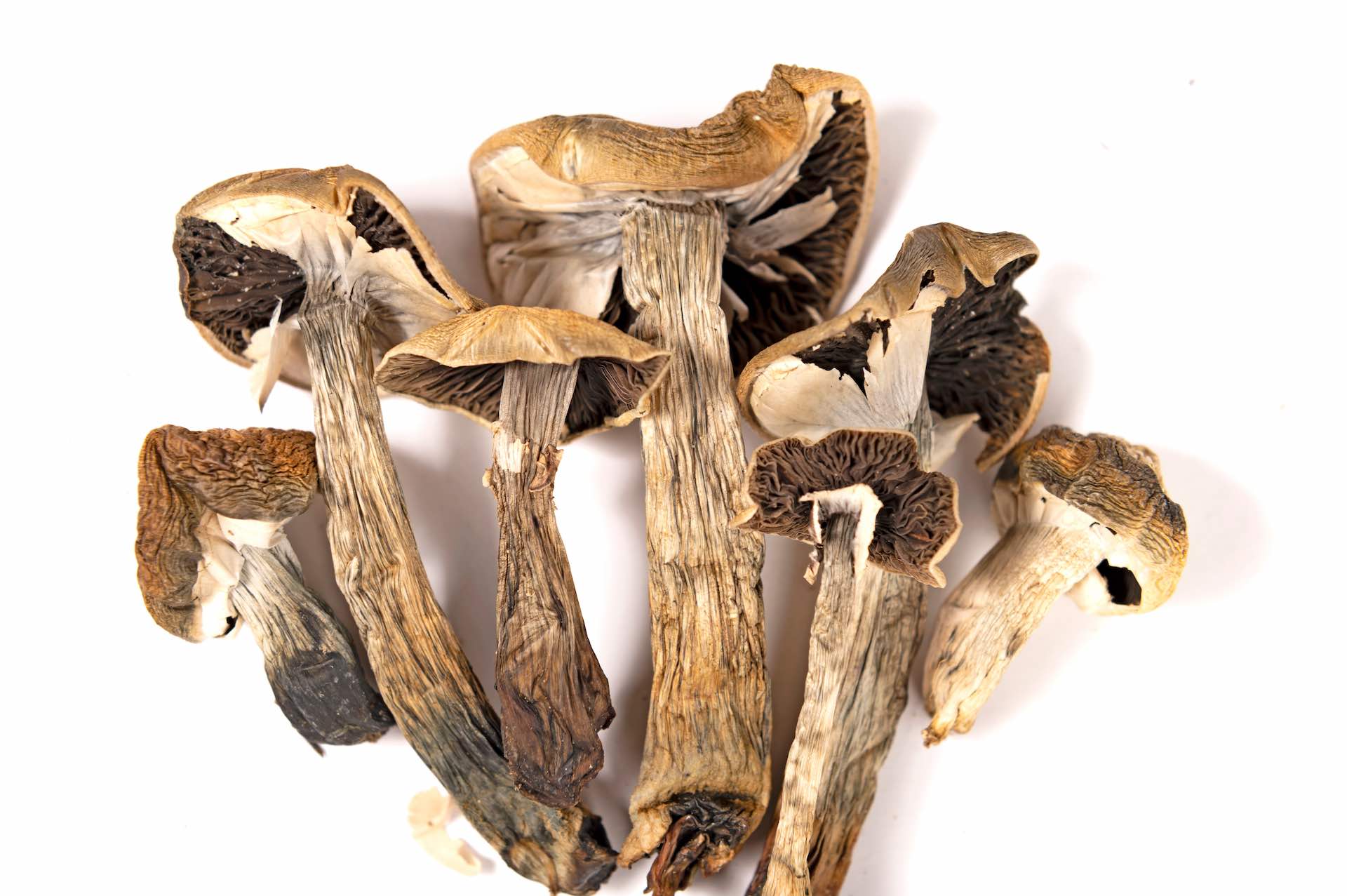
Where can I Buy Psychedelic Mushroom Online Croatia? Psilocybin is a naturally occurring psychedelic compound found in more than 200 species of mushrooms belonging primarily to the Psilocybe genus. For centuries, Indigenous cultures in Central and South America have used psilocybin-containing mushrooms in spiritual, ceremonial, and healing practices. Modern scientific interest in psilocybin emerged during the 1950s and 1960s but was largely halted after strict drug regulations classified it as a controlled substance. Over the past two decades, however, advances in neuroscience, psychiatry, and clinical research have led to renewed interest in psilocybin as a potential treatment for several mental health conditions.
Today’s researchers study psilocybin using rigorous scientific methods similar to those used in testing any experimental medication. These studies involve carefully designed clinical trials, strict ethical oversight, standardized dosing, extensive participant screening, psychological support, brain imaging, and long-term follow-up. Rather than promoting recreational use, modern medical research seeks to understand how psilocybin affects the brain, behavior, emotions, and psychological well-being under controlled conditions. Where can I Buy Psychedelic Mushroom Online Croatia?
This article explains in detail how researchers study psilocybin in modern medicine, including laboratory research, clinical trial design, participant selection, treatment protocols, brain imaging techniques, safety monitoring, ethical considerations, challenges, and future directions.
Psilocybin itself is a prodrug, meaning it is converted inside the body into psilocin, the compound responsible for most of its psychoactive effects. Psilocin primarily acts on serotonin receptors, especially the 5-HT2A receptor, which plays an important role in mood, cognition, perception, and emotional processing.
Researchers are interested in psilocybin because studies suggest that, when administered under carefully supervised medical conditions alongside psychotherapy, it may produce rapid and long-lasting improvements in symptoms of depression, anxiety, substance use disorders, and psychological distress in some patients.
However, scientists emphasize that psilocybin remains an investigational treatment in many countries and should not be considered a standard therapy outside approved medical or research settings unless authorized by local health authorities. Where can I Buy Psychedelic Mushroom Online Croatia?
Scientists investigate psilocybin because many psychiatric disorders remain difficult to treat with existing medications. Some patients experience little improvement despite trying multiple therapies.
Current research explores psilocybin for conditions such as:
Researchers also study:
Research on psilocybin follows the same evidence-based pathway used for developing conventional medicines.
Before human studies begin, scientists perform laboratory experiments.
These include:
Researchers determine:
Animal studies help scientists understand effects on learning, memory, fear extinction, stress responses, and neural plasticity.
Before clinical trials begin, researchers obtain approval from:
Researchers submit detailed protocols describing:
Only after approval can participant recruitment begin.
Modern psilocybin research relies on randomized controlled trials (RCTs), considered the gold standard in medical research.
Common study designs include:
Participants are randomly assigned to receive:
Randomization minimizes bias.
Ideally:
Blinding is challenging because psilocybin often produces noticeable subjective effects. Some studies therefore use active placebos that produce mild physiological sensations to help preserve blinding.
Some participants receive:
Treatment A → Washout Period → Treatment B
Each participant serves as their own comparison.
Researchers compare:
This identifies the safest and most effective dose.
Selecting appropriate participants is one of the most important aspects of psilocybin research.
Researchers use strict inclusion and exclusion criteria. Where can I Buy Psychedelic Mushroom Online Croatia?
Participants may need:
Many individuals are excluded for safety reasons, including those with:
Researchers also assess family history because some psychiatric conditions may increase the risk of adverse psychological reactions.
Before participating, volunteers receive extensive information.
Researchers explain:
Participants sign informed consent documents only after understanding the study.
Participants undergo comprehensive evaluations.
These may include:
Researchers ensure participants meet safety criteria before enrollment.
Modern studies do not simply administer psilocybin.
Preparation is considered essential.
Participants typically attend several sessions before dosing.
Researchers discuss:
Therapeutic rapport between participants and study therapists is intentionally developed.
Research-grade psilocybin differs from naturally occurring mushrooms.
Scientists use pharmaceutical-grade synthetic psilocybin or highly purified formulations manufactured under strict quality standards.
Advantages include:
This allows researchers to compare results across studies more accurately.
The dosing session follows carefully developed protocols.
The environment is intentionally calm and supportive.
Common features include:
Participants usually remain at the research center for several hours while the acute effects gradually resolve.
Researchers continuously monitor:
Emergency medications are available if needed, though serious medical emergencies have been uncommon in carefully screened research participants.
Researchers recognize that the psychological context can strongly influence the experience.
Trained therapists provide:
They generally avoid directing the content of the participant‘s experience unless clinically necessary.
Scientists use validated assessment tools before and after treatment.
Common measurements include:
Depression scales:
Anxiety scales:
Quality-of-life measures:
Researchers compare scores across multiple time points.
Researchers also assess:
Computerized tests often provide objective measurements.
Neuroimaging has become a major component of psilocybin research.
Scientists use several techniques.
Functional MRI measures changes in blood flow associated with brain activity.
Researchers examine:
Some studies suggest psilocybin temporarily alters communication patterns among brain networks, though the exact mechanisms remain under investigation.
Positron Emission Tomography measures:
Researchers can observe how psilocybin interacts with serotonin receptors.
Electroencephalography records electrical activity.
Scientists examine:
EEG provides millisecond-level temporal resolution.
Researchers also collect biological samples.
These include:
Scientists investigate:
Biomarker research may help predict who responds best to treatment.
Researchers examine how the body processes psilocybin.
Questions include:
Blood samples collected at multiple time points help answer these questions.
Following the dosing experience, participants attend integration sessions.
Researchers explore:
Integration aims to help participants reflect on their experiences and incorporate them into ongoing therapeutic work.
Modern studies typically monitor participants for months or longer.
Researchers evaluate:
Repeated assessments help determine whether benefits persist over time.
Safety is central throughout psilocybin research.
Researchers document every adverse event.
Possible short-term adverse effects include:
Serious adverse events are uncommon in carefully controlled studies but remain an important focus of monitoring.
Many large trials employ independent Data Safety Monitoring Boards (DSMBs).
These experts periodically review:
The board may recommend modifications or early termination if safety concerns arise.
Researchers use advanced statistical methods.
Analyses examine:
Scientists distinguish between statistically significant findings and clinically meaningful improvements.
Researchers compare psilocybin-assisted therapy with:
Comparative effectiveness research helps determine where psilocybin may fit within future treatment options.
Researchers continue exploring why psilocybin may help some patients.
Hypotheses include:
Enhanced neuroplasticity
Some laboratory studies suggest psilocybin may promote changes related to neuronal growth and adaptability, although translating these findings into clinical effects remains an active area of investigation.
Disruption of rigid thought patterns
Researchers hypothesize temporary changes in large-scale brain network activity may reduce entrenched patterns of negative thinking.
Emotional processing
Participants may become more open to processing difficult emotions during therapy.
Psychological flexibility
Studies suggest increased cognitive flexibility may contribute to therapeutic change.
Researchers face numerous obstacles.
Because psilocybin is a controlled substance in many jurisdictions, obtaining approvals, storage licenses, and research materials can be time-consuming.
Participants often recognize whether they received psilocybin because of its noticeable effects, making it harder to maintain traditional blinding.
Many early studies involved relatively small numbers of participants, limiting the certainty of conclusions.
Researchers continue working to include participants from more diverse racial, ethnic, socioeconomic, and cultural backgrounds.
Different therapists may deliver supportive care differently, making standardization challenging.
Modern psilocybin research follows established ethical principles.
Researchers prioritize:
Special attention is given to protecting psychologically vulnerable individuals.
Across multiple controlled studies, psilocybin-assisted therapy has shown encouraging results for certain conditions, particularly some forms of depression and psychological distress associated with serious illness. However, evidence varies by condition, and larger, more diverse trials are still needed to better understand effectiveness, durability of benefit, and long-term safety.
Researchers emphasize that psilocybin is typically studied in combination with structured psychological support rather than as a stand-alone medication. It is therefore difficult to separate the effects of the drug from those of the therapeutic setting and follow-up care.
Research continues to expand into several promising areas:
As evidence accumulates, regulatory agencies in different countries will continue to evaluate whether specific psilocybin-assisted therapies meet standards for safety, quality, and effectiveness for particular medical uses.
Modern medical research on psilocybin is characterized by rigorous scientific methodology, careful ethical oversight, and comprehensive safety procedures. Researchers investigate the compound through laboratory experiments, randomized controlled trials, standardized pharmaceutical formulations, brain imaging, psychological assessments, biomarker analysis, and long-term follow-up. Participants undergo extensive screening, preparation, supervised dosing sessions, and integration therapy, reflecting an approach that emphasizes both scientific rigor and participant well-being.
While findings to date have generated substantial interest—particularly for conditions such as treatment-resistant depression and end-of-life psychological distress—psilocybin remains an area of active investigation. Important questions about optimal dosing, long-term safety, comparative effectiveness, mechanisms of action, and accessibility continue to be studied. The field is evolving rapidly, but researchers consistently stress that psilocybin should be used only within approved clinical or research settings until regulatory authorities determine where it has an established role in medical practice.
