Address
304 North Cardinal St.
Dorchester Center, MA 02124
Work Hours
Monday to Friday: 7AM - 7PM
Weekend: 10AM - 5PM
Address
304 North Cardinal St.
Dorchester Center, MA 02124
Work Hours
Monday to Friday: 7AM - 7PM
Weekend: 10AM - 5PM
Europe Legit Psychedelic Shop
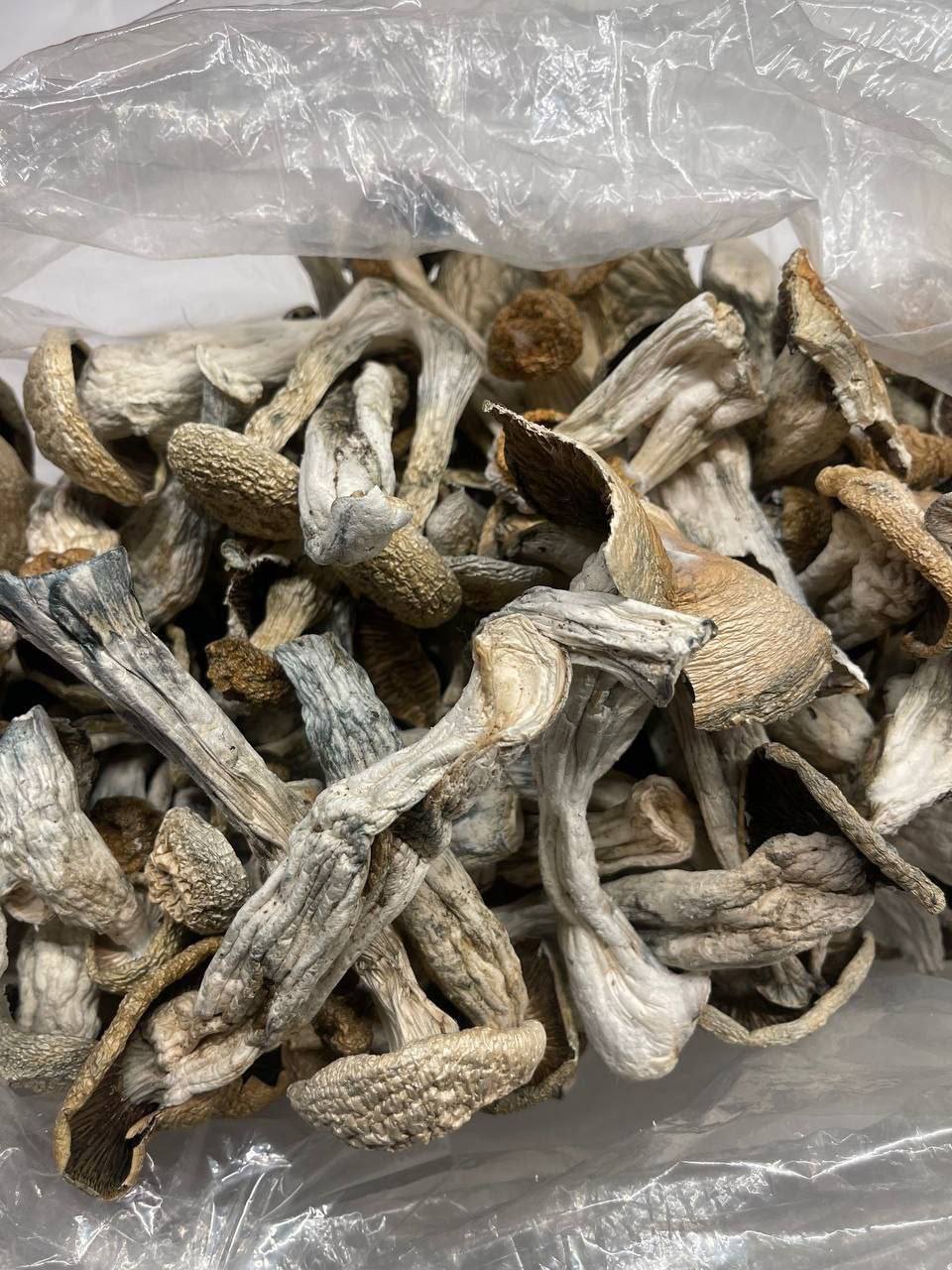
Where to Buy Psychedelic Mushroom Online Italy? Psychedelic mushrooms, often called “magic mushrooms,” are fungi that contain the naturally occurring psychoactive compounds psilocybin and psilocin. These mushrooms have been used by human societies for thousands of years, not primarily for recreation, but for healing, spiritual guidance, religious ceremonies, and traditional medicine. Across different civilizations, particularly in the Americas, psychedelic mushrooms occupied an important place in indigenous healthcare systems, where physical illness, mental well-being, spirituality, and community were viewed as interconnected.
Long before modern science identified psilocybin or investigated its therapeutic effects, indigenous healers understood that certain mushrooms could alter perception, evoke profound emotional experiences, and facilitate communication with the spiritual world. These experiences were believed to diagnose illness, restore psychological balance, resolve social conflicts, and reconnect individuals with divine or ancestral forces.
The history of psychedelic mushrooms in traditional medicine reflects humanity’s enduring search for healing through nature. It also reveals periods of acceptance, suppression, rediscovery, and scientific validation. Today, renewed interest in psychedelic-assisted therapy has brought global attention back to medicinal practices that indigenous communities preserved for centuries.
The exact beginning of psychedelic mushroom use cannot be determined because prehistoric societies left few written records. However, archaeological evidence suggests that humans have interacted with psychoactive fungi for several millennia.
Rock paintings discovered in the Sahara Desert, estimated to be between 7,000 and 9,000 years old, depict human figures holding mushroom-like objects. Although interpretations remain debated, many researchers believe these images represent ceremonial mushroom use associated with healing or religious rituals.
Additional archaeological discoveries from Central America reveal mushroom-shaped stone sculptures dating from approximately 1000 BCE to 500 CE. These artifacts indicate that mushrooms held significant ceremonial importance among ancient civilizations. Their elaborate craftsmanship suggests they symbolized sacred objects rather than ordinary food. Where to Buy Psychedelic Mushroom Online Italy?
Unlike many medicinal plants that were valued solely for treating physical ailments, psychedelic mushrooms were traditionally regarded as medicines capable of healing the body, mind, and spirit simultaneously. Indigenous cultures believed illness often resulted from spiritual imbalance, loss of harmony, ancestral displeasure, or negative supernatural influences. Psychedelic mushrooms were considered tools that allowed healers to identify and correct these underlying causes.
The most comprehensive evidence of traditional medicinal mushroom use comes from Mesoamerica, especially among the Aztec, Mixtec, Zapotec, Mazatec, Chinantec, and Mixe peoples of present-day Mexico.
Among the Aztecs, sacred mushrooms were known by the Nahuatl word teonanácatl, meaning “flesh of the gods.” This name reflected the belief that consuming these mushrooms allowed humans to communicate directly with divine beings.
Spanish chroniclers who accompanied conquistadors in the sixteenth century documented ceremonies involving sacred mushrooms. Although these accounts were influenced by European religious biases, they consistently described participants experiencing visions, prophecy, emotional release, and communication with supernatural entities.
The Aztecs incorporated sacred mushrooms into major religious festivals. Priests, healers, and rulers consumed them during ceremonies intended to obtain divine guidance before important political decisions, military campaigns, and agricultural planning.
Healing ceremonies addressed numerous conditions, including:
Emotional distress
Persistent grief
Anxiety
Unexplained illness
Spiritual crises
Loss of purpose
Social conflict
Suspected witchcraft
Rather than separating medicine from religion, Aztec healthcare viewed both as inseparable aspects of healing.
Traditional mushroom healing was highly structured and supervised by experienced healers rather than used casually.
The healer—often called a shaman, curandero, or curandera—carefully prepared both the patient and ceremonial environment.
Preparation commonly involved:
Prayer
Fasting
Sexual abstinence
Dietary restrictions
Purification rituals
Emotional reflection
Ceremonies frequently occurred at night in quiet locations to reduce distractions. Participants consumed fresh or dried mushrooms while chanting prayers and traditional songs.
During the experience, healers interpreted visions, emotional responses, bodily sensations, and symbolic imagery. These experiences guided diagnosis and treatment.
Unlike Western medicine, which focuses primarily on biological symptoms, indigenous traditions viewed visions as meaningful communications regarding the patient’s condition.
Healing could involve:
Emotional release
Forgiveness
Spiritual cleansing
Reconciliation with family
Guidance from ancestors
Identification of harmful behaviors
Discovery of medicinal plants
Community reintegration
The ceremony itself was considered the medicine rather than merely the mushroom.
Among all indigenous cultures, the Mazatec people of Oaxaca have preserved perhaps the richest continuous tradition of medicinal mushroom use.
Mazatec healers conduct ceremonies called veladas, meaning “night vigils.” These ceremonies are deeply spiritual events combining prayer, Catholic symbolism, indigenous beliefs, music, and mushroom consumption.
Veladas are performed for numerous purposes:
Diagnosing illness
Healing emotional suffering
Finding missing persons
Resolving family disputes
Treating addiction
Addressing persistent sadness
Seeking spiritual guidance
One of the defining features of Mazatec healing is the use of sacred chants known as “language of the saints.” During ceremonies, healers enter altered states believed to enable communication with spiritual beings who reveal causes of illness.
The patient remains under constant supervision throughout the ceremony. Healing depends not only upon the pharmacological effects of psilocybin but also upon the ritual setting, community support, symbolism, and relationship between healer and patient.
The individual most responsible for introducing traditional mushroom medicine to the modern world was María Sabina (1894–1985), a renowned Mazatec curandera from Huautla de Jiménez, Oaxaca.
María Sabina inherited traditional healing knowledge through generations of Mazatec practitioners. Throughout her life, she conducted healing ceremonies using psilocybin mushrooms for members of her community.
In 1955, American banker and amateur ethnomycologist R. Gordon Wasson participated in one of her healing ceremonies. His widely read 1957 article in Life magazine introduced millions of readers to sacred mushrooms.
Although the publication sparked scientific interest, tourism, and psychedelic research, it also produced unintended consequences.
Thousands of outsiders traveled to Huautla seeking mystical experiences rather than healing. Traditional ceremonies became commercialized, local culture was disrupted, and María Sabina faced criticism from members of her own community, who believed sacred knowledge had been exposed to outsiders.
Her story illustrates both the preservation and exploitation of indigenous medicinal traditions. How to Order Psychedelic Mushroom Online Italy?
Following the Spanish conquest of the Aztec Empire during the sixteenth century, Christian missionaries condemned psychedelic mushroom ceremonies as pagan practices associated with devil worship.
Colonial authorities banned mushroom rituals and punished indigenous practitioners.
Many sacred texts describing mushroom ceremonies were destroyed.
As a result:
Healing traditions moved underground.
Ceremonies became secretive.
Knowledge was transmitted orally.
Rural mountain communities preserved practices.
Indigenous languages protected sacred teachings.
Ironically, this secrecy helped preserve authentic traditions despite centuries of colonial repression.
Modern scientific interest in psychedelic mushrooms began during the mid-twentieth century.
Following Wasson’s reports, Swiss chemist Albert Hofmann successfully isolated psilocybin and psilocin from Psilocybe mexicana in 1958.
This discovery enabled standardized laboratory research.
Scientists investigated psilocybin for treating:
Depression
Alcohol dependence
Anxiety
Obsessive-compulsive disorder
End-of-life distress
Personality disorders
Early findings suggested remarkable therapeutic potential.
However, social changes during the 1960s complicated scientific progress.
During the 1960s, psychedelic substances became associated with anti-establishment movements, music festivals, political activism, and recreational experimentation.
Although indigenous traditions emphasized preparation, guidance, and respect, many recreational users consumed psychedelics without ceremonial structure.
Public concern over drug misuse prompted governments to classify psilocybin as an illegal substance.
Research funding disappeared.
Clinical studies largely ceased for several decades despite promising preliminary results.
Traditional indigenous practices continued independently within communities that had preserved them.
Beginning in the 1990s, improvements in research methods and ethics allowed scientists to revisit psilocybin.
Major universities—including Johns Hopkins University, Imperial College London, and New York University—conducted carefully controlled studies.
Researchers observed benefits for patients experiencing:
Treatment-resistant depression
Cancer-related anxiety
Existential distress
Tobacco addiction
Alcohol dependence
Major depressive disorder
Many participants described experiences remarkably similar to those reported for centuries in indigenous ceremonies:
Profound emotional insight
Feelings of unity
Increased compassion
Reduced fear of death
Spiritual connection
Personal transformation
Modern neuroscience demonstrated that psilocybin temporarily alters communication among brain networks involved in self-reflection, emotional processing, and rigid thinking patterns.
These findings provided biological explanations for effects that traditional healers had long recognized through observation.
Indigenous medicine differs fundamentally from biomedical approaches.
Traditional healers generally view illness as involving multiple interconnected dimensions:
Physical health
Emotional balance
Spiritual harmony
Social relationships
Environmental connections
Ancestral influences
Healing therefore extends beyond eliminating symptoms.
Patients may be encouraged to:
Repair damaged relationships
Express long-suppressed emotions
Accept grief
Seek forgiveness
Honor ancestors
Restore community harmony
Live according to ethical principles
Psychedelic mushrooms facilitate these processes by creating heightened emotional awareness rather than directly curing disease. Where can I Purchase Psychedelic Mushroom Online Italy?
Traditional mushroom ceremonies involve numerous symbolic elements.
Common features include:
Sacred songs
Candles
Incense
Prayer
Christian imagery blended with indigenous beliefs
Darkness or candlelight
Silence between chants
Community participation
These elements establish psychological safety and reinforce cultural meaning.
Modern psychotherapy increasingly recognizes that context strongly influences psychedelic outcomes—a principle indigenous practitioners understood intuitively for centuries. Where can I Purchase Psychedelic Mushroom Online Italy?
As psychedelic medicine gains popularity worldwide, ethical questions have emerged regarding cultural appropriation and indigenous rights.
Many indigenous leaders argue that commercial psychedelic industries benefit financially from knowledge developed and protected by Native communities without providing fair recognition or compensation.
Respectful engagement includes:
Acknowledging indigenous origins.
Supporting cultural preservation.
Protecting sacred traditions.
Avoiding commercialization of ceremonies.
Collaborating with indigenous healers.
Recognizing traditional intellectual knowledge.
Many researchers now advocate integrating scientific advances with indigenous wisdom rather than replacing traditional practices. Where to Buy Psychedelic Mushroom Online Italy?
Today, psilocybin-assisted therapy is being investigated as a treatment for several mental health disorders.
Clinical protocols differ significantly from recreational use.
Treatment typically includes:
Careful psychological screening.
Preparation sessions.
Supervised psilocybin administration.
Professional therapeutic support.
Integration sessions afterward.
Interestingly, this structure resembles traditional ceremonies, emphasizing preparation, guided experience, and post-session reflection.
Researchers increasingly acknowledge that therapeutic success depends not only on the drug itself but also on interpersonal support and environmental context.
The history of psychedelic mushrooms demonstrates the remarkable sophistication of indigenous medical systems. Long before neuroscience explained neural plasticity or serotonin receptors, traditional healers recognized that profound psychological experiences could produce lasting improvements in well-being.
Their practices anticipated many principles now considered central to psychedelic-assisted psychotherapy:
Preparation before treatment.
Safe therapeutic environments.
Skilled guidance.
Emotional processing.
Spiritual meaning.
Community support.
Post-experience integration.
Rather than viewing mushrooms as miracle cures, indigenous traditions understood them as sacred medicines requiring respect, discipline, and ethical responsibility.
The history of psychedelic mushrooms in traditional medicine spans thousands of years and reflects humanity’s evolving understanding of healing, consciousness, and spirituality. From prehistoric rituals and the sacred ceremonies of Mesoamerican civilizations to the healing practices of the Mazatec people, psychedelic mushrooms have long served as powerful tools for addressing psychological, emotional, spiritual, and social suffering.
Despite centuries of suppression following European colonization, indigenous communities preserved these traditions through oral transmission and continued ceremonial practice. The twentieth century brought renewed scientific attention, leading to the isolation of psilocybin and the development of modern clinical research. Although early investigations were interrupted by legal restrictions, contemporary studies have revived interest in the therapeutic potential of psychedelic-assisted treatments for depression, anxiety, addiction, and end-of-life distress.
Modern research increasingly validates principles that indigenous healers have practiced for generations: healing is most effective when it occurs within a supportive environment, under skilled guidance, and with opportunities for reflection and integration. While neuroscience provides biological explanations for psilocybin’s effects on the brain, traditional medicine reminds us that healing also involves meaning, relationships, spirituality, and community. Where to Buy Psychedelic Mushroom Online Italy?
As psychedelic medicine continues to develop, it is essential to recognize the cultural origins of these practices and respect the indigenous peoples who safeguarded this knowledge despite centuries of persecution. Their contributions form the historical foundation upon which modern psychedelic science now builds. By combining rigorous scientific investigation with cultural humility and ethical responsibility, society has the opportunity to honor this ancient medicinal tradition while advancing new approaches to mental health care.
Ultimately, the story of psychedelic mushrooms is not merely the history of a psychoactive substance; it is the history of human efforts to understand suffering, seek wisdom, and restore balance between the body, mind, spirit, and the natural world. This enduring legacy continues to influence both traditional healing systems and the future of modern medicine. Where to Buy Psychedelic Mushroom Online Italy?
