Address
304 North Cardinal St.
Dorchester Center, MA 02124
Work Hours
Monday to Friday: 7AM - 7PM
Weekend: 10AM - 5PM
Address
304 North Cardinal St.
Dorchester Center, MA 02124
Work Hours
Monday to Friday: 7AM - 7PM
Weekend: 10AM - 5PM
Europe Legit Psychedelic Shop
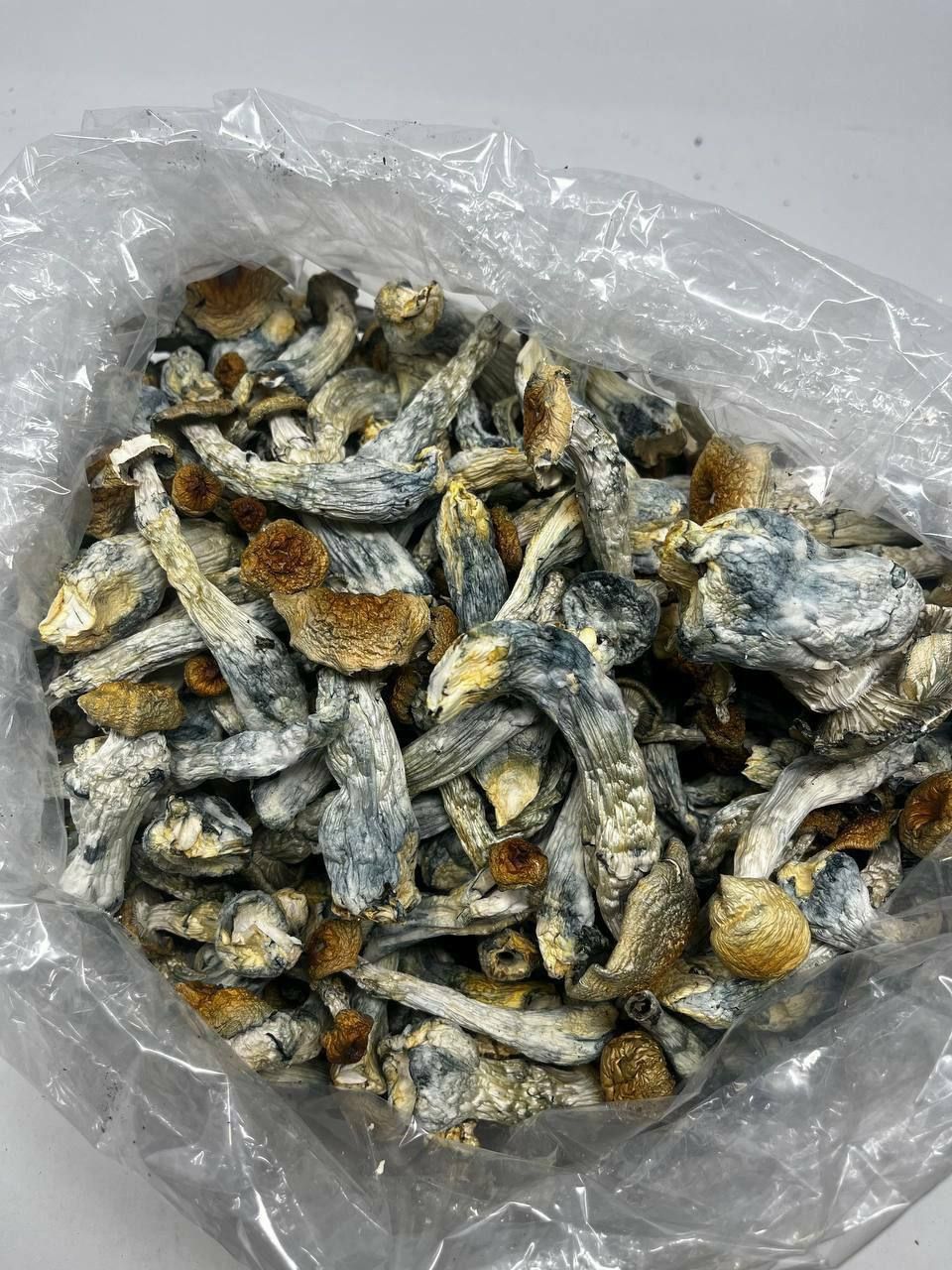
Where can I Buy Psilocybin Mushroom Online Spain? Psilocybin and LSD are two of the world’s most well-known psychedelic substances. Both have fascinated scientists, psychologists, spiritual practitioners, and the general public for decades because of their remarkable ability to alter perception, mood, cognition, and consciousness. While they share many similarities, they also differ significantly in their origins, chemistry, duration, intensity, therapeutic applications, legal status, and potential risks.
In recent years, renewed scientific interest in psychedelics has led to groundbreaking research exploring their potential in treating depression, anxiety, post-traumatic stress disorder (PTSD), addiction, and other mental health disorders. As a result, understanding the differences between psilocybin and LSD has become increasingly important for researchers, healthcare professionals, policymakers, and curious readers alike.
This article provides a comprehensive comparison of psilocybin and LSD, highlighting their similarities, differences, effects, safety profiles, and therapeutic potential. Where can I Buy Psilocybin Mushroom Online Spain
Psilocybin is a naturally occurring psychedelic compound found in over 200 species of mushrooms, commonly referred to as “magic mushrooms” or “shrooms.” Indigenous cultures in Central and South America have used these mushrooms for thousands of years in spiritual and religious ceremonies.
Once consumed, psilocybin is converted by the body into psilocin, the active compound responsible for its psychedelic effects. Psilocin primarily interacts with serotonin receptors in the brain, particularly the 5-HT2A receptor, leading to changes in perception, mood, and thought patterns.
Common species containing psilocybin include:
Because it is naturally occurring, psilocybin is often viewed as a plant-based or fungal psychedelic, although its effects are determined by its pharmacology rather than its natural origin.
LSD (Lysergic Acid Diethylamide) is a synthetic psychedelic first synthesized in 1938 by Swiss chemist Albert Hofmann while researching ergot alkaloids. Its psychedelic properties were accidentally discovered in 1943 when Hofmann unintentionally absorbed a small amount through his skin.
LSD is among the most potent psychoactive substances ever discovered. Even doses measured in micrograms (millionths of a gram) can produce profound alterations in consciousness.
Unlike psilocybin, LSD is manufactured in laboratories rather than naturally occurring in mushrooms or plants. It is usually distributed on blotter paper, liquid drops, gelatin squares (“windowpanes”), or tablets.
Although both substances produce psychedelic experiences, their chemical structures differ considerably.
Psilocybin belongs to the tryptamine family, sharing structural similarities with serotonin, a neurotransmitter that regulates mood, sleep, and emotional well-being.
LSD belongs to the ergoline family and has a far more complex molecular structure derived from lysergic acid.
These structural differences partly explain why LSD generally lasts much longer and produces more stimulating effects compared to psilocybin. Where can I Buy Psilocybin Mushroom Online Spain
Both psychedelics primarily activate serotonin 5-HT2A receptors in the brain.
Activation of these receptors affects communication between various brain regions, disrupting ordinary patterns of neural activity while increasing connectivity between areas that do not normally communicate extensively.
Researchers believe this increased brain connectivity contributes to:
However, LSD binds more strongly and remains attached to serotonin receptors longer than psilocin, contributing to its extended duration.
One of the most obvious differences lies in their origins.
Despite this distinction, both ultimately affect the brain through similar receptor systems.
Dosage Differences ( Buy psilocybin mushroom Gummies Spain)
Typical dosages vary dramatically because LSD is significantly more potent by weight.
Typical dried mushroom doses:
Typical doses:
The extremely small effective dose of LSD reflects its exceptional potency.
Psilocybin generally produces effects sooner than LSD.
Because LSD lasts much longer, users should plan accordingly.
Duration represents one of the largest practical differences.
The experience usually concludes within six hours.
Many people find this shorter duration more manageable.
An LSD trip commonly lasts between 8 and 12 hours, with aftereffects potentially extending several additional hours.
Some users describe feeling mentally stimulated even after visual effects subside.
Both substances can produce vivid visual alterations.
Common effects include:
However, their visual styles often differ.
Often described as:
Often described as:
Individual experiences vary greatly.
Many users report:
Emotional processing is often considered one of psilocybin’s defining characteristics.
LSD may produce:
Although LSD can also evoke profound emotions, many users find it more cognitively stimulating. Where can I Buy Psilocybin Mushroom Online Spain
Both substances alter thinking patterns.
Common reports include:
Users often experience:
These differences are subjective and vary between individuals.
Common physical effects include:
Common physical effects include:
LSD is generally considered more physically stimulating.
Modern research has generated significant interest in both substances.
Clinical studies have explored psilocybin-assisted therapy for:
Many participants report lasting improvements when treatment is conducted under professional supervision.
Although research slowed after legal restrictions in the 1970s, renewed studies have investigated LSD-assisted therapy for:
Further research is ongoing to determine its effectiveness and safety.
Psilocybin is especially associated with mystical-type experiences.
These may include:
LSD can also produce mystical experiences, though some users describe them as more intellectually oriented.
Both substances have been linked to increased creativity.
LSD became particularly associated with artists, musicians, engineers, and innovators during the 1960s.
Psilocybin is often reported to inspire creativity through emotional insight rather than rapid analytical thinking.
Scientific evidence regarding long-term creative enhancement remains limited.
Both substances can produce difficult experiences.
Potential challenges include:
Factors influencing difficult experiences include:
Supportive surroundings and trained supervision substantially reduce risks in clinical settings. Where can I Buy Psilocybin Mushroom Online Spain?
Neither psilocybin nor LSD is generally considered physically addictive, and both have relatively low toxicity compared with many other psychoactive substances. However, “low toxicity” does not mean they are risk-free.
Potential risks include:
People with a personal or family history of psychotic disorders should be especially cautious, as psychedelics may increase the likelihood of adverse psychiatric outcomes in susceptible individuals.
Both substances produce rapid tolerance.
After taking either psilocybin or LSD, the body becomes temporarily less responsive to their effects. This means taking the same substance again within a day or two usually results in a much weaker experience.
There is also cross-tolerance between LSD and psilocybin because both primarily act on the same serotonin receptor system. After several days of abstinence, tolerance generally declines substantially.
Current evidence indicates that neither psilocybin nor LSD typically causes physical dependence in the way that opioids, alcohol, or nicotine can.
Most users do not experience withdrawal symptoms after stopping use.
However, psychological misuse is still possible. Some individuals may repeatedly seek psychedelic experiences despite negative consequences, though this appears to be relatively uncommon compared with many other classes of psychoactive drugs.
The legal status of psilocybin and LSD varies widely across countries and regions.
In many jurisdictions:
Some countries, states, and municipalities have moved toward decriminalization or regulated medical access for psilocybin, while LSD generally remains more tightly restricted outside approved scientific research. Because laws change over time, anyone seeking current legal information should consult the regulations applicable in their jurisdiction.
Many experienced users summarize the subjective differences in broad terms, although individual experiences vary considerably.
| Feature | Psilocybin | LSD |
|---|---|---|
| Origin | Natural (mushrooms) | Synthetic |
| Active compound | Psilocin (after conversion) | Lysergic acid diethylamide |
| Typical duration | 4–6 hours | 8–12 hours |
| Potency | Milligram range | Microgram range |
| Visual style | Organic, flowing | Geometric, crisp |
| Emotional tone | Introspective, compassionate | Stimulating, analytical |
| Body feel | Relaxed, sometimes sedating | Energetic, activating |
| Common therapeutic focus | Emotional processing | Cognitive exploration and emotional processing |
| Research interest | Extensive and rapidly expanding | Renewed but comparatively smaller |
Modern psychedelic science has entered what many researchers describe as a renaissance.
Universities and research institutions around the world are investigating how carefully administered psychedelic-assisted therapy may help people with conditions that have been difficult to treat using conventional approaches.
Areas of ongoing investigation include:
It is important to note that promising research findings do not mean these substances are universally effective or appropriate. Clinical studies typically involve carefully screened participants, standardized doses, extensive preparation, professional supervision during the psychedelic session, and structured integration afterward.
The answer depends on what is meant by “powerful.”
Neither substance is objectively “stronger” in every respect; their effects differ in character as much as in intensity.
Psilocybin and LSD are among the best-known psychedelic substances, sharing a common ability to profoundly alter perception, thought, and emotion through their action on serotonin receptors in the brain. Despite these similarities, they differ in important ways.
Psilocybin is a naturally occurring compound found in certain mushrooms and is typically associated with shorter experiences, emotional introspection, and a strong sense of connection or spirituality. LSD, by contrast, is a synthetic compound known for its exceptional potency, longer duration, vivid geometric visuals, and mentally stimulating effects.
Scientific interest in both substances has grown substantially in recent years, particularly regarding their potential role in psychedelic-assisted psychotherapy. Early research suggests they may have value in treating certain mental health conditions when administered in carefully controlled clinical settings by trained professionals. At the same time, both substances carry psychological and safety risks, especially when used outside supervised environments or by individuals with specific psychiatric vulnerabilities.
Understanding the similarities and differences between psilocybin and LSD helps place current research, public interest, and historical use into context. As scientific knowledge continues to expand, future studies will further clarify the benefits, limitations, and appropriate therapeutic roles of these powerful psychedelic compounds.
