Address
304 North Cardinal St.
Dorchester Center, MA 02124
Work Hours
Monday to Friday: 7AM - 7PM
Weekend: 10AM - 5PM
Address
304 North Cardinal St.
Dorchester Center, MA 02124
Work Hours
Monday to Friday: 7AM - 7PM
Weekend: 10AM - 5PM
Europe Legit Psychedelic Shop
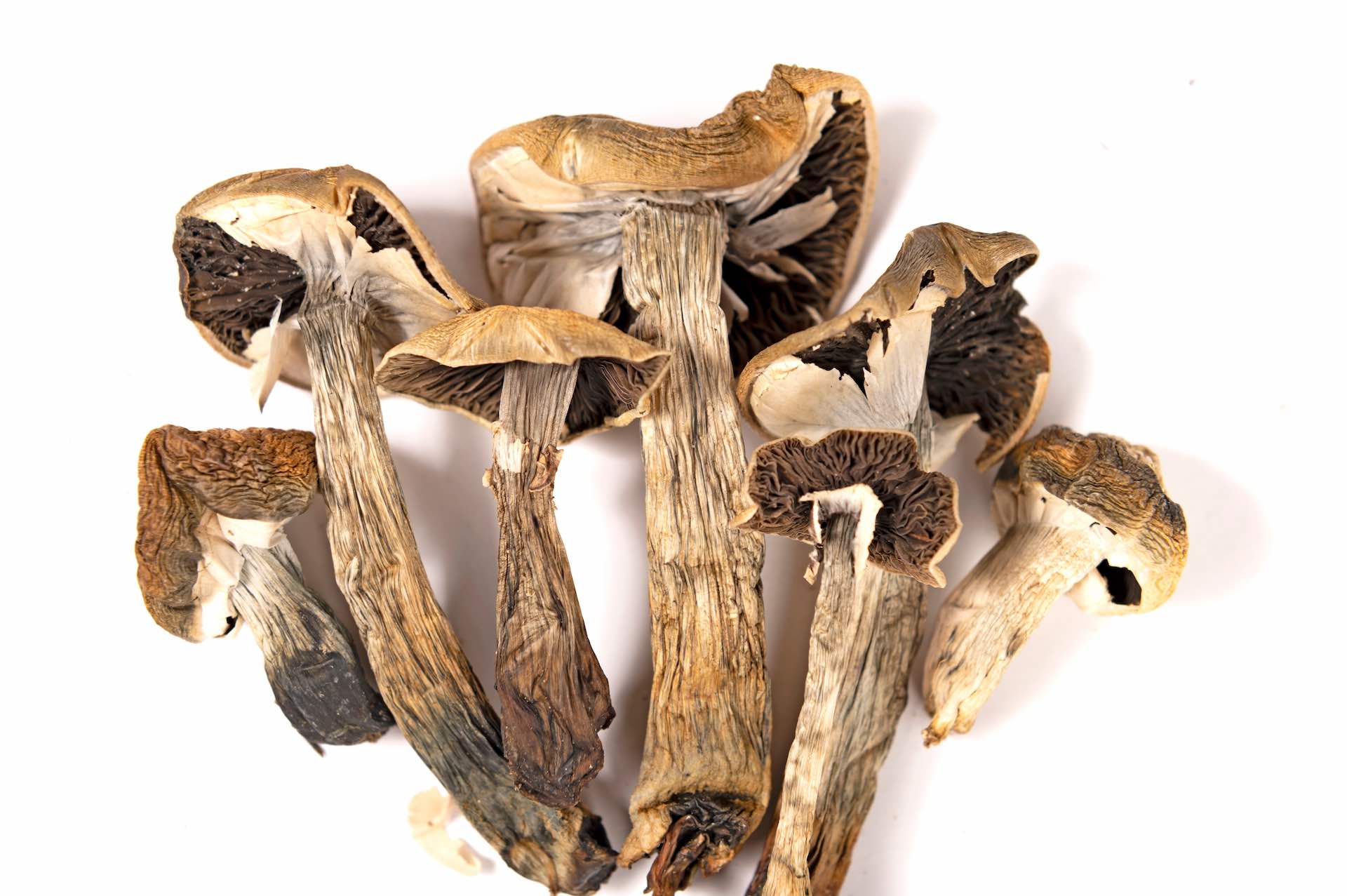
Where to Buy Psychedelic Mushrooms Online Finland? Psychedelic mushrooms—often called “magic mushrooms”—are fungi that contain psychoactive compounds capable of altering perception, mood, thought, and a person’s sense of self. Interest in these mushrooms has grown rapidly because of research suggesting that psilocybin, their best-known active compound, may have therapeutic value for some mental-health and substance-use conditions when administered in carefully controlled clinical settings.
The scientific picture, however, is more complicated than either extreme claim: psychedelic mushrooms are not simply dangerous drugs with no medical value, but they are also not proven natural cures that are safe for everyone. Their effects depend heavily on the substance, dose, individual, psychological state, environment, supervision, and medical history. Research is promising, but many questions remain about long-term outcomes, real-world effectiveness, and who can safely benefit.
The term psychedelic mushrooms usually refers to mushrooms containing psilocybin and related compounds. Psilocybin is found in more than 200 known fungal species, particularly species in the genus Psilocybe. Other genera may also contain psychoactive tryptamines.
After a person consumes psilocybin, the body converts much of it into psilocin, the compound primarily responsible for the psychedelic effects. Psilocin interacts with serotonin receptors in the brain, especially the 5-HT2A receptor. Serotonin is involved in mood, perception, cognition, sleep, and many other functions, so altering this signaling system can produce major changes in consciousness. Where to Buy Psychedelic Mushrooms Online Finland?
Psilocybin mushrooms should not be confused with all mushrooms marketed as “psychedelic.” For example, Amanita muscaria, the red mushroom with white spots commonly seen in folklore, contains different psychoactive chemicals, including muscimol and ibotenic acid. Its effects, risks, and biological mechanisms differ substantially from those of psilocybin mushrooms. Products marketed as “mushroom gummies,” “legal mushroom edibles,” or “psychedelic chocolates” may contain Amanita compounds, synthetic substances, undisclosed drugs, or mixtures whose contents are uncertain. The U.S. Food and Drug Administration has warned that Amanita muscaria and certain related constituents may be harmful when used in foods.
Psilocin resembles serotonin closely enough to activate several serotonin receptors. Its action at the 5-HT2A receptor appears central to the psychedelic experience.
Brain-imaging studies suggest that psilocybin temporarily changes communication among brain networks. Rather than simply “turning off” one area of the brain, it may alter how different regions exchange information. Some researchers describe this as a temporary increase in the flexibility or diversity of brain activity.
One area of particular interest is the default mode network, a group of brain regions associated with self-reflection, autobiographical thinking, and internally focused mental activity. During psychedelic experiences, normal patterns within this network may become less rigid. This has been proposed as one possible explanation for experiences such as:
These findings are scientifically interesting, but they should not be interpreted as proof that psychedelics “reset the brain,” “repair neural pathways,” or permanently increase intelligence. Such claims are often simplified beyond what current evidence supports.
Laboratory and animal research suggests that psychedelic compounds may influence neuroplasticity, the nervous system’s capacity to adapt and change. Some studies have found changes related to neuronal growth, connectivity, or synaptic signaling. Translating these findings into meaningful, lasting benefits in humans remains an active area of research. Where to Buy Psychedelic Mushrooms Online Finland?
The effects of psychedelic mushrooms vary widely. People may experience:
The experience is not necessarily pleasant. Some people experience intense anxiety, panic, paranoia, overwhelming emotions, confusion, or frightening thoughts. These difficult experiences are often called “bad trips,” although that phrase can oversimplify what may be a complex psychological event.
The effects are influenced by what researchers and clinicians often call “set and setting.” Set refers to a person’s psychological state, expectations, personality, mood, and intentions. Setting refers to the physical and social environment, including whether the person feels safe and whether trained support is available.
The National Center for Complementary and Integrative Health notes that psilocybin experiences can vary according to dose, personality, expectations, mood, surroundings, health, mushroom type, prior experience, and use with other substances.
Psilocybin effects generally begin within a relatively short period after ingestion and may continue for several hours. The exact duration depends on factors such as the amount consumed, the form of the substance, individual metabolism, food intake, and whether other substances are involved.
The acute experience may include an onset period, a peak phase, and a gradual return toward baseline. Some people report emotional sensitivity, fatigue, reflection, or changes in mood after the main effects have ended.
Importantly, the duration of the experience is not the same as the duration of its psychological impact. A person may continue thinking about an experience for days, weeks, or longer. In therapeutic research, this is one reason integration—discussing and processing the experience afterward—is often considered important.
Depression is one of the most studied potential applications of psilocybin. Small and medium-sized clinical trials have found that carefully administered psilocybin, often combined with psychological support, may reduce depressive symptoms in some participants.
Research has examined psilocybin for:
Some studies have reported rapid improvements after one or a small number of supervised sessions. These findings are important because many conventional antidepressants require daily use and may take weeks to produce noticeable effects.
However, promising trial results do not mean that psilocybin is already an established treatment for depression everywhere. Many studies have involved relatively small samples, carefully selected participants, extensive preparation, trained facilitators, structured settings, and follow-up support. These conditions differ greatly from unsupervised use.
Research is also difficult to interpret because the psychedelic effects can make it obvious to participants that they received the active drug. This can weaken the effectiveness of traditional blinding and increase expectancy effects. Participants may improve partly because they expect improvement, receive intensive attention, experience psychological insight, or benefit from therapy and support.
The FDA has emphasized that psychedelic treatments must meet the same scientific standards for safety and effectiveness as other drugs. The agency has issued guidance addressing the special challenges of designing psychedelic clinical trials.
Therefore, the evidence supports serious scientific interest, not the conclusion that psychedelic mushrooms are a proven universal cure for depression.
Psilocybin has also been studied in people facing life-threatening illnesses, including cancer. Some clinical research suggests that supervised psilocybin-assisted therapy may reduce anxiety, depression, hopelessness, and existential distress in selected patients.
For some participants, the experience has been associated with greater acceptance, a changed relationship with mortality, or a stronger sense of meaning. These outcomes have received substantial public attention because conventional treatments do not always adequately address existential suffering.
Nevertheless, these studies often involve intensive preparation, professional monitoring, carefully controlled doses, and psychological support. The therapeutic approach is not simply “give a patient mushrooms.” The treatment model generally includes preparation before the session, support during the experience, and follow-up integration afterward.
The evidence is encouraging but still limited by relatively small study populations and the difficulty of separating the effects of the drug from the effects of psychotherapy, expectations, and the therapeutic environment.
Researchers are investigating whether psilocybin-assisted therapy could help people with substance-use disorders. Areas of study include:
One theory is that psychedelic experiences may help some people reconsider entrenched habits, personal identity, values, or motivations. Another possibility is that increased psychological flexibility or emotional processing could support behavioral change.
Early results have been promising in some studies, but the evidence is not yet strong enough to establish psilocybin as a standard treatment for addiction. Larger trials are needed, and researchers must determine which patients may benefit, what treatment models work best, how long improvements last, and what risks may occur.
Psilocybin should not be viewed as a substitute for evidence-based addiction care. People with substance-use disorders may require medical treatment, counseling, social support, relapse prevention, and treatment for co-occurring mental-health conditions.
Psilocybin is being studied for several psychiatric conditions, but the strength of evidence differs across disorders.
Research is ongoing for conditions such as:
It is important not to combine all psychedelic research into one category. Evidence for one substance or one condition does not automatically apply to another. For example, research on MDMA-assisted therapy for PTSD is not evidence that psilocybin mushrooms treat PTSD. Different substances have different pharmacology, risks, and clinical evidence.
People with serious psychiatric conditions may also face greater risks from psychedelic exposure. A history of psychosis, schizophrenia, schizoaffective disorder, or certain forms of bipolar disorder can be especially concerning.
Psilocybin is generally not considered to produce the same pattern of compulsive use and physical dependence associated with substances such as opioids, nicotine, or alcohol. It does not typically produce a classic withdrawal syndrome.
People also develop rapid tolerance to many psychedelic effects. After repeated use over a short period, the same amount may produce weaker effects. This makes continuous daily use less typical.
However, “not classically addictive” does not mean “harmless.” A person may still use psychedelics in risky, compulsive, or psychologically unhealthy ways. Repeated use may interfere with work, relationships, finances, or mental stability. Some people may become overly focused on pursuing extraordinary experiences or may make major decisions based on interpretations formed while intoxicated.
The absence of typical physical dependence should not be confused with a guarantee of safety.
Common acute effects may include:
A person who is highly intoxicated may misinterpret the environment, become disoriented, or take dangerous actions. Accidents can occur because perception and judgment are altered.
Psychological distress may become severe. A person may believe they are dying, losing their mind, trapped, or permanently damaged. Although many acute reactions resolve as the drug wears off, the experience can be deeply distressing.
The risk may be higher when the substance is taken in an unfamiliar environment, combined with other drugs, used without support, or consumed during a period of severe emotional instability.
Most people who use psilocybin do not develop persistent psychosis, but serious long-term psychological effects can occur in some individuals.
Potential concerns include:
The overall frequency of these outcomes is uncertain. Clinical trials often exclude people at higher psychiatric risk, so trial safety results may not fully represent what happens in the general population.
A major concern is that psychedelics may precipitate psychosis or mania in vulnerable individuals. This is why research studies typically screen participants carefully and exclude many people with personal or family histories of psychotic disorders or severe bipolar illness.
The NCCIH lists persistent psychosis and hallucinations among possible adverse effects and warns that psilocybin is not considered safe for people with certain serious psychiatric conditions.
Psilocybin itself has relatively low direct physical toxicity compared with many other psychoactive substances. Fatal poisoning from psilocybin alone appears uncommon.
However, this does not eliminate serious physical risks. A person may experience dangerous behavior, accidents, dehydration, injury, or complications related to another medical condition.
One of the greatest dangers is mistaking a poisonous mushroom for a psychoactive species. Some toxic mushrooms resemble edible or psychoactive mushrooms, and misidentification can cause severe organ damage or death.
Wild mushrooms should never be identified solely through photographs, online descriptions, color, bruising, or a single visual characteristic. Mushroom toxins vary substantially, and some poisonous species can cause delayed symptoms. The FDA warns that wild mushroom poisonings can range from mild illness to coma and death.
Another risk is product contamination. Unregulated mushroom products may contain unexpected substances or inaccurate amounts. A label claiming “mushroom extract” does not prove that the product contains psilocybin, nor does it establish safety.
Microdosing generally means taking a very small amount of a psychedelic, often with the goal of improving mood, creativity, concentration, or productivity without producing a full psychedelic experience.
Microdosing has become popular through social media, podcasts, and personal testimonials. Reported benefits include:
The scientific evidence is much less convincing than the public enthusiasm. Where can I Order Magic Mushroom Online Finland?
Some studies have found modest benefits, while others suggest that expectations and placebo effects explain a substantial part of the reported improvements. People who believe they are microdosing may feel better even when they receive a placebo.
Microdosing is also not necessarily free of adverse effects. Reported problems include insomnia, anxiety, low mood, headaches, physical discomfort, impaired concentration, and disrupted sensory experiences.
At present, there is insufficient high-quality evidence to conclude that microdosing reliably improves creativity, intelligence, productivity, or long-term mental health.
Clinical research generally uses a structured process rather than simply administering a drug.
A typical model may include:
This structure may contribute substantially to outcomes. It is difficult to determine how much improvement results from the drug itself, how much comes from therapy, and how much comes from the combination.
Clinical treatment also involves standardized substances and known doses. Unregulated mushrooms vary in potency, and the amount of psilocybin can differ between species, batches, individual mushrooms, and even different parts of the same mushroom.
The legal status of psilocybin varies widely by country and region. In many places, possession, production, sale, or distribution remains illegal or tightly controlled.
Some jurisdictions have reduced criminal penalties, permitted supervised access, authorized research, or created regulated service systems. These policies are not equivalent. Decriminalization does not necessarily mean legalization, and legalization does not necessarily mean unrestricted commercial sale.
Laws can change quickly, so people should check current official information for their country or region rather than relying on social-media claims.
Legal status also does not determine scientific safety. A substance can be illegal yet medically researched, or legally available yet potentially harmful.
Myth: “Natural means safe.”
Many natural substances are toxic. The fact that psilocybin comes from a fungus does not make it safe for every person or situation.
Myth: “Psilocybin permanently rewires the brain.”
Research suggests temporary changes in brain activity and possible effects on neuroplasticity, but claims of permanent brain “rewiring” are not established.
Myth: “One trip cures depression.”
Some clinical participants have experienced rapid and lasting improvement, but outcomes vary. Psilocybin is not a guaranteed cure.
Myth: “Psychedelic mushrooms are completely non-addictive and harmless.”
They generally do not produce classic physical dependence, but they can still cause psychological distress, accidents, psychiatric complications, and harmful patterns of use.
Myth: “Microdosing is scientifically proven.”
Evidence remains mixed and insufficient for many popular claims.
Myth: “All mushroom gummies contain psilocybin.”
Many may contain different mushroom compounds, synthetic substances, or undisclosed ingredients.
Myth: “A bad trip is always psychologically beneficial.”
Difficult experiences may sometimes lead to insight, but severe distress is not automatically therapeutic and can cause lasting harm.
Extra caution is warranted for people with:
Medication interactions can be complex. Antidepressants, antipsychotics, mood stabilizers, stimulants, and other drugs may alter effects or create risks. People should not stop prescribed medication to use psychedelics without consulting a qualified clinician. Where to Buy Psychedelic Mushrooms Online Finland?
Current evidence supports several cautious conclusions:
Psilocybin is a biologically active psychedelic compound that can produce profound changes in perception, emotion, and cognition. Under controlled conditions, psilocybin-assisted therapy has shown promising results for depression, cancer-related psychological distress, and some substance-use disorders.
The research is scientifically important, but it remains incomplete. Many studies have small samples, selective participants, intensive support, and challenges with blinding. The long-term effects, optimal treatment models, comparative effectiveness, and safety in broader populations are still being studied.
The evidence does not establish that unsupervised mushroom use is equivalent to clinical therapy. It also does not show that psychedelic mushrooms are safe for everyone, that microdosing reliably improves performance, or that a psychedelic experience automatically produces healing.
Psychedelic mushrooms occupy a complicated position between traditional use, recreational drug culture, neuroscience, psychiatry, and emerging medicine. Psilocybin research has produced some of the most intriguing findings in modern mental-health science, particularly because some people experience substantial improvements after only a small number of supervised sessions.
At the same time, public enthusiasm has sometimes moved faster than the evidence. Claims that mushrooms “cure depression,” “reset the brain,” or provide risk-free personal transformation are not supported by current science. Where to Buy Psychedelic Mushrooms Online Finland?
The most evidence-based position is neither blanket rejection nor uncritical celebration. Psilocybin deserves continued rigorous research because it may become an important treatment option for selected conditions. Yet its potential benefits must be evaluated alongside real risks: acute psychological distress, accidents, psychiatric complications, product contamination, toxic mushroom misidentification, and uncertain long-term outcomes.
The central lesson is that context matters. The substance alone does not determine the outcome. Individual vulnerability, dose, mental state, environment, supervision, psychological support, and medical history all influence the experience. As research develops, the goal should be to separate reliable evidence from hype and to understand not only whether psilocybin can help, but also who it helps, under what conditions, and at what cost or risk. Where to Buy Psychedelic Mushrooms Online Finland?
