Address
304 North Cardinal St.
Dorchester Center, MA 02124
Work Hours
Monday to Friday: 7AM - 7PM
Weekend: 10AM - 5PM
Address
304 North Cardinal St.
Dorchester Center, MA 02124
Work Hours
Monday to Friday: 7AM - 7PM
Weekend: 10AM - 5PM

Europe Legit Psychedelic Shop
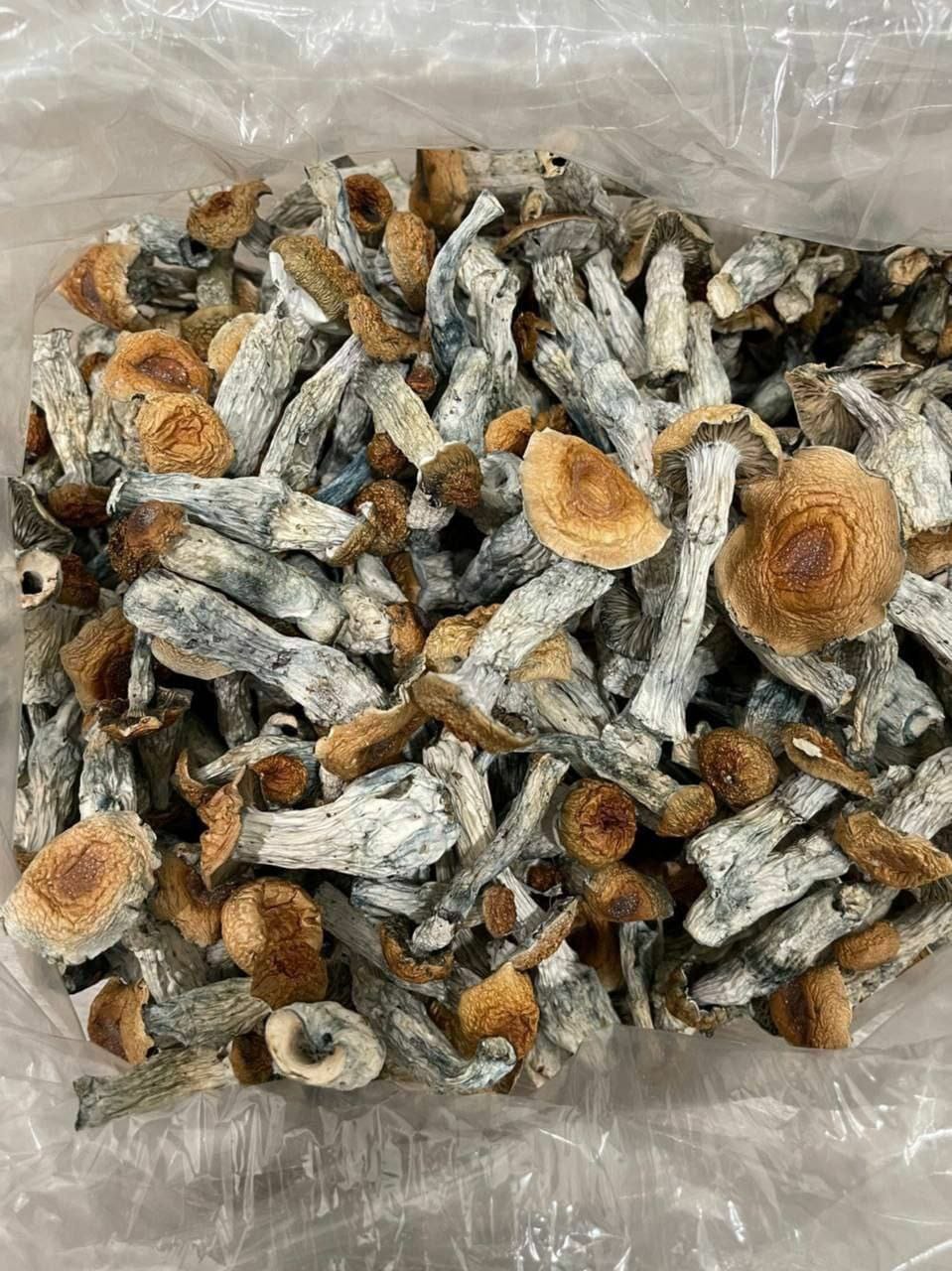
Where Do I Buy Psychedelic Mushroom Online Romania? Mental health disorders have become one of the greatest public health challenges of the twenty-first century. Conditions such as depression, anxiety, post-traumatic stress disorder (PTSD), obsessive-compulsive disorder (OCD), and substance use disorders affect hundreds of millions of people worldwide. While conventional treatments—including antidepressants, psychotherapy, and behavioral interventions—have improved many lives, they do not work effectively for everyone. A significant proportion of patients experience treatment-resistant symptoms, adverse side effects, or recurring episodes despite years of care. These limitations have driven researchers to explore innovative approaches to mental health treatment, leading to renewed scientific interest in psychedelic-assisted therapy.
Among the various psychedelic substances being studied, psilocybin has emerged as one of the most promising. Psilocybin is a naturally occurring psychedelic compound found in over 200 species of mushrooms, commonly known as “magic mushrooms.” Once ingested, the body converts psilocybin into psilocin, which interacts primarily with serotonin receptors in the brain, particularly the 5-HT2A receptor. Unlike traditional psychiatric medications that often require daily use, psilocybin-assisted therapy typically involves only one or a few supervised sessions combined with structured psychological support. Where Do I Buy Psychedelic Mushroom Online Romania?
During the past two decades, reputable universities, hospitals, and research institutions have conducted rigorous clinical trials investigating psilocybin’s therapeutic potential. Early findings suggest that psilocybin-assisted therapy may provide rapid, lasting improvements in depression, anxiety related to life-threatening illness, addiction, and PTSD. These encouraging results have generated excitement among clinicians, neuroscientists, policymakers, and patients.
The future of psilocybin research extends far beyond current clinical trials. Advances in neuroscience, personalized medicine, digital health technologies, and public policy may fundamentally reshape how mental illnesses are diagnosed and treated. However, important scientific, ethical, legal, and societal questions remain. This paper explores the future of psilocybin research, examining its clinical applications, scientific developments, regulatory challenges, ethical considerations, technological innovations, and potential role in transforming global mental healthcare.
Psilocybin is classified as a serotonergic psychedelic because it primarily influences serotonin signaling in the brain. After ingestion, enzymes convert psilocybin into psilocin, which crosses the blood-brain barrier and activates serotonin receptors involved in mood regulation, perception, emotion, learning, and cognition.
Brain imaging studies have shown that psilocybin temporarily reduces activity within the brain’s default mode network (DMN), a network associated with self-reflection, rumination, and rigid patterns of thinking. Overactivity within the DMN has been linked to depression and anxiety. By disrupting these rigid neural patterns, psilocybin appears to promote greater cognitive flexibility, emotional openness, and psychological insight.
Patients frequently report profound subjective experiences during therapy sessions, including feelings of connectedness, transcendence, emotional release, and enhanced meaning. Researchers increasingly believe that these experiences, when combined with skilled psychotherapy, contribute significantly to long-term therapeutic benefits.
Unlike recreational drug use, clinical psilocybin treatment occurs within carefully controlled environments. Participants undergo medical screening, psychological preparation, supervised dosing sessions with trained therapists, and multiple integration sessions designed to help them process and apply their experiences in everyday life. Where Do I Buy Psychedelic Mushroom Online Romania?
Modern psychedelic research has experienced what many scientists call a “psychedelic renaissance.” Prestigious institutions including Johns Hopkins University, Imperial College London, New York University, and several other research centers have conducted randomized controlled trials examining psilocybin’s therapeutic effects.
Clinical studies have produced encouraging findings in several areas:
Many participants report significant symptom reductions lasting months after only one or two treatment sessions. Researchers have also observed improvements in emotional well-being, life satisfaction, social relationships, and psychological flexibility.
Although many studies involve relatively small sample sizes, the growing body of evidence has encouraged larger multicenter trials designed to confirm efficacy and establish standardized treatment protocols.
Future research will focus on conducting larger randomized clinical trials involving thousands rather than hundreds of participants. Larger studies provide stronger evidence regarding safety, effectiveness, optimal dosing, and long-term outcomes.
Future trials will include participants from diverse backgrounds, age groups, ethnicities, and geographic regions, improving the generalizability of findings.
Researchers will also compare psilocybin directly with existing antidepressants, psychotherapy, ketamine treatment, and combined treatment approaches.
Mental illness varies greatly between individuals. Future treatments may be personalized based on genetic, biological, and psychological characteristics.
Researchers are investigating biomarkers that predict who responds best to psilocybin therapy. These biomarkers may include:
Artificial intelligence may eventually analyze these variables to recommend individualized treatment plans, reducing risks while maximizing therapeutic benefits.
One of the most exciting areas of investigation concerns neuroplasticity—the brain’s ability to reorganize and form new neural connections.
Laboratory studies suggest that psilocybin promotes:
Scientists hope to understand exactly how these biological changes produce lasting psychological improvements.
Future research may identify methods for extending or enhancing these neuroplastic effects through psychotherapy, exercise, nutrition, meditation, or cognitive training.
Emerging brain imaging technologies will provide unprecedented insight into how psilocybin alters neural activity.
Future studies may combine:
These techniques could reveal why some patients experience remarkable improvements while others show limited benefit.
Understanding these mechanisms may enable researchers to optimize treatment timing, dosage, and therapeutic support.
Treatment-resistant depression remains one of psychiatry’s greatest challenges.
Future studies may establish psilocybin-assisted therapy as an alternative or complementary treatment for patients who do not respond to antidepressants.
Researchers will investigate maintenance strategies, determining whether occasional booster sessions can sustain remission without requiring continuous medication.
Future trials may evaluate psilocybin for:
Preliminary evidence suggests psilocybin may reduce excessive fear by promoting emotional processing and reducing avoidance behaviors.
Although MDMA-assisted therapy has received considerable attention for PTSD, researchers are increasingly exploring psilocybin’s potential.
Psilocybin may help patients revisit traumatic memories with reduced fear responses, facilitating emotional processing within therapeutic settings.
Future studies will determine whether psilocybin complements trauma-focused psychotherapies.
Substance use disorders remain difficult to treat due to high relapse rates.
Researchers believe psilocybin may interrupt addictive thought patterns by:
Future research may explore applications in treating:
Terminal illness often produces profound anxiety, depression, and existential distress.
Studies suggest psilocybin can help patients:
Future palliative care programs may integrate psychedelic-assisted therapy into comprehensive end-of-life treatment.
Psilocybin is increasingly viewed not as a standalone drug but as a catalyst for psychotherapy.
Future treatment models will emphasize three phases:
Patients learn about the experience, establish therapeutic goals, and develop trust with therapists.
Patients receive psilocybin in carefully designed therapeutic environments with trained clinicians providing support.
Following the session, therapists help patients interpret insights and translate them into lasting behavioral changes.
Future psychotherapy models may combine psilocybin with:
Researchers will determine which combinations produce the strongest long-term outcomes.
Technology will likely play an increasingly important role in psychedelic medicine.
Future developments may include:
Machine learning algorithms may identify subtle patterns predicting treatment success or adverse reactions.
Digital biomarkers collected from smartphones and wearable devices could enable continuous monitoring following treatment.
Legal restrictions have historically limited psychedelic research. However, attitudes are gradually changing as scientific evidence accumulates.
Future regulatory developments may include:
Governments will continue balancing patient access with safety concerns.
Regulators will require evidence demonstrating efficacy, standardized manufacturing, therapist training, and long-term safety monitoring before widespread approval.
As psilocybin becomes more widely available, ethical issues will require careful attention.
Patients must fully understand:
Clear communication is essential because psychedelic experiences can be psychologically profound.
Therapists require specialized education beyond traditional psychotherapy.
Training should include:
Professional certification standards will likely become increasingly important.
Advanced therapies often become available first to affluent populations.
Future healthcare systems should ensure equitable access regardless of income, race, geographic location, or insurance status.
Researchers must also include diverse populations in clinical trials to ensure findings benefit all communities.
Growing commercial interest raises concerns regarding aggressive marketing and profit-driven practices.
Strong regulations should ensure that scientific evidence—not commercial incentives—guides treatment recommendations.
Despite encouraging progress, important challenges remain.
Researchers need more data regarding:
Extended follow-up studies will be critical.
Current studies vary considerably regarding:
International standards will improve consistency across future research.
Historical stigma surrounding psychedelics continues to influence public opinion.
Accurate public education will be necessary to distinguish medically supervised therapy from recreational misuse.
Psychedelic research has historically received limited government funding.
Future investment from governments, universities, nonprofits, and responsible private organizations will accelerate scientific progress while maintaining research integrity.
Mental illness affects virtually every country.
If future research confirms current findings, psilocybin-assisted therapy may become an important component of global mental healthcare.
Potential worldwide benefits include:
Low-resource countries may eventually adapt cost-effective treatment models incorporating culturally appropriate therapeutic practices.
International collaboration will facilitate knowledge sharing, standardized protocols, and equitable access.
Psilocybin research represents only one aspect of a broader transformation within neuroscience.
Future scientists will investigate:
Understanding consciousness itself may become an increasingly important area of neuroscience research, with psychedelic studies contributing valuable insights into perception, cognition, emotion, and self-awareness. Where To Buy Magic Mushroom Online Romania?
The future of psilocybin research holds tremendous promise for transforming mental health treatment. Early clinical evidence suggests that psilocybin-assisted therapy may offer rapid and durable improvements for individuals suffering from depression, anxiety, PTSD, addiction, and other difficult-to-treat psychiatric conditions. Unlike many conventional medications, psilocybin appears to promote deep psychological change through a combination of neurobiological effects and meaningful therapeutic experiences.
Future research will likely focus on larger clinical trials, personalized medicine, neuroplasticity, advanced brain imaging, and integration with evidence-based psychotherapy. Technological innovations such as artificial intelligence, digital health monitoring, and virtual reality may further improve treatment precision and accessibility. At the same time, regulatory agencies, healthcare systems, and professional organizations will need to establish rigorous standards for therapist training, patient safety, ethical practice, and quality control. Where Do I Buy Psychedelic Mushroom Online Romania?
Nevertheless, optimism should be balanced with scientific caution. Many important questions remain regarding long-term safety, ideal dosing schedules, patient selection, mechanisms of action, and equitable access. Continued research involving diverse populations and robust clinical methodologies will be essential before psilocybin can be fully integrated into mainstream psychiatric care.
If ongoing studies continue to produce positive results, psilocybin-assisted therapy may become one of the most significant advances in mental health treatment in decades. Rather than replacing conventional therapies, it is likely to become part of a comprehensive, patient-centered approach that combines neuroscience, psychotherapy, personalized medicine, and compassionate clinical care. Ultimately, the future of psilocybin research represents not only the exploration of a promising therapeutic compound but also a broader reimagining of how society understands, treats, and supports mental health.
