Address
304 North Cardinal St.
Dorchester Center, MA 02124
Work Hours
Monday to Friday: 7AM - 7PM
Weekend: 10AM - 5PM
Address
304 North Cardinal St.
Dorchester Center, MA 02124
Work Hours
Monday to Friday: 7AM - 7PM
Weekend: 10AM - 5PM

Europe Legit Psychedelic Shop
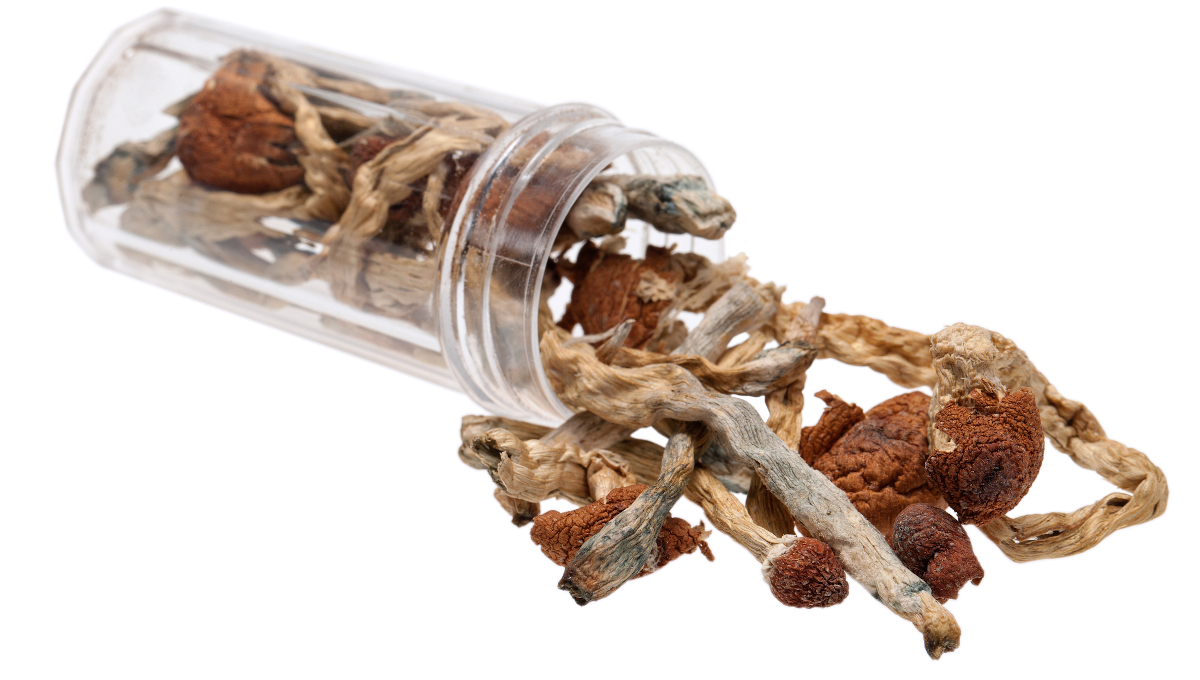
Where Can I Buy Psychedelic Mushroom Online Greece? Psilocybin is a naturally occurring psychedelic compound found in more than 200 species of mushrooms, commonly known as “magic mushrooms.” After ingestion, psilocybin is converted into psilocin, the psychoactive substance responsible for altering perception, mood, thought patterns, and consciousness. For centuries, indigenous cultures have used psilocybin-containing mushrooms in spiritual and healing ceremonies. In recent decades, scientific interest has grown significantly due to promising research into psilocybin-assisted therapy for depression, anxiety, post-traumatic stress disorder (PTSD), obsessive-compulsive disorder (OCD), substance use disorders, and end-of-life psychological distress.
Despite its therapeutic potential, psilocybin is not without risks. While many users report profound, meaningful, and even life-changing experiences, others may encounter challenging psychological reactions, physical side effects, or long-term complications. The safety of psilocybin depends on several factors, including dosage, the user’s mental and physical health, environmental conditions (“set and setting”), and whether the substance is used under medical supervision or recreationally.
Understanding the risks, side effects, and safety considerations of psilocybin is essential for healthcare providers, researchers, policymakers, and individuals considering its use. This discussion examines these aspects comprehensively.
Most physical side effects associated with psilocybin are temporary and generally resolve within several hours as the drug’s effects diminish.
Nausea is one of the most frequently reported side effects, particularly when consuming whole mushrooms. Additional gastrointestinal symptoms may include:
These symptoms occur because mushrooms contain indigestible compounds and because serotonin receptors in the gastrointestinal tract are stimulated. Clinical studies using purified psilocybin generally report lower rates of gastrointestinal discomfort than studies involving whole mushrooms.
Psilocybin commonly causes temporary increases in:
These cardiovascular effects are usually mild in healthy individuals but may present risks for people with:
Medical screening is therefore essential before therapeutic administration.
Many users experience enlarged pupils (mydriasis), accompanied by:
These effects disappear once the drug wears off.
Some individuals report:
These effects increase the risk of falls or accidents, making activities such as driving or operating machinery extremely dangerous during intoxication.
Body temperature regulation may temporarily change, resulting in:
Although uncomfortable, these symptoms are generally not medically serious.
The psychological effects of psilocybin are significantly more variable than its physical effects.
Anxiety is among the most common adverse psychological reactions. Individuals may experience:
Anxiety tends to increase when:
Some users experience overwhelming fear that may include:
These reactions are often referred to as “bad trips.”
Temporary confusion can include:
These symptoms usually resolve within hours.
Psilocybin often amplifies emotions. Users may rapidly alternate between:
While emotionally intense experiences can be therapeutic in controlled settings, they may become distressing without guidance.
Visual hallucinations commonly include:
Auditory, tactile, and emotional hallucinations may also occur.
Psilocybin substantially alters cognition during intoxication.
Potential effects include:
These cognitive changes increase vulnerability to accidental injury and risky behavior.
A “bad trip” describes an intensely distressing psychedelic experience.
Symptoms include:
Risk factors include:
Although frightening, most bad trips resolve as the drug leaves the body. Supportive reassurance from a calm, sober individual often helps significantly.
A rare but documented complication is Hallucinogen Persisting Perception Disorder.
Symptoms include:
HPPD may persist for:
Although uncommon, the condition can interfere with daily functioning.
Psilocybin may precipitate serious psychiatric illness in vulnerable individuals.
Individuals with:
of schizophrenia may face increased risk of psychotic episodes.
Psilocybin may trigger:
Therefore, many clinical trials exclude individuals with bipolar disorder.
High doses may induce temporary psychosis characterized by:
Persistent psychosis is rare but has been reported, particularly among predisposed individuals.
The adolescent brain continues developing into the mid-twenties.
Potential concerns include:
Consequently, recreational use during adolescence is strongly discouraged.
Although psilocybin itself has low direct toxicity, altered judgment can lead to accidents such as:
These represent some of the most significant real-world dangers associated with recreational use.
Psilocybin may interact with several medications.
Selective serotonin reuptake inhibitors (SSRIs) may:
MAOIs can:
These medications often reduce or block psychedelic effects by acting on serotonin receptors.
Combining psilocybin with stimulants may increase:
Combining psilocybin with other substances increases unpredictability.
Alcohol may:
Cannabis may:
Mixing psychedelics greatly increases:
There is insufficient research regarding psilocybin use during pregnancy or breastfeeding.
Potential concerns include:
Medical experts generally advise avoiding psilocybin during pregnancy and lactation.
Unlike opioids, nicotine, or alcohol, psilocybin has a relatively low potential for physical dependence.
Characteristics include:
However, psychological misuse remains possible in some individuals seeking repeated mystical or escapist experiences.
Tolerance develops rapidly.
Repeated use over consecutive days results in:
Tolerance generally returns to baseline after approximately one to two weeks.
Psilocybin has relatively low physiological toxicity.
Fatal overdose from psilocybin alone is extremely rare.
However, very high doses may cause:
The greater danger often comes from behavioral consequences rather than direct poisoning.
One of the greatest risks involves collecting wild mushrooms.
Numerous poisonous mushroom species resemble psilocybin mushrooms.
Consumption of toxic species may cause:
Proper identification requires expert knowledge.
Clinical trials consistently demonstrate that psilocybin can be administered safely under carefully controlled conditions.
Protective measures include:
These safeguards dramatically reduce adverse outcomes.
Researchers consistently emphasize “set and setting.”
Set refers to:
Setting refers to:
Positive set and setting substantially reduce psychological distress.
Individuals who should generally avoid psilocybin include those with:
Professional medical evaluation is recommended before therapeutic use.
Although abstinence eliminates risk, harm reduction can decrease adverse outcomes among those who choose to use psilocybin.
Recommended strategies include:
Immediate medical attention should be sought if an individual experiences:
Emergency departments typically provide supportive care until symptoms resolve.
Psilocybin remains illegal in many countries, although some jurisdictions have decriminalized or legalized supervised therapeutic use. Individuals should be aware of local laws before possessing or using psilocybin. Ethical use also involves respecting cultural traditions, obtaining informed consent in research and therapy, and avoiding coercive or unsafe practices.
Psilocybin is a powerful psychedelic substance that can produce profound alterations in perception, cognition, and emotion. Modern research suggests that, when administered under carefully controlled medical conditions, it has significant therapeutic potential for several mental health disorders. Nevertheless, its use carries genuine risks. Short-term side effects such as nausea, elevated heart rate, anxiety, and impaired judgment are relatively common, while more serious complications—including panic reactions, psychosis in susceptible individuals, Hallucinogen Persisting Perception Disorder, and accidental injuries—occur less frequently but deserve careful attention.
The overall safety profile of psilocybin is influenced by individual health, psychological vulnerability, dosage, preparation, and environment. Medical screening, professional supervision, and attention to “set and setting” substantially reduce the likelihood of adverse outcomes. Conversely, unsupervised use, combining psilocybin with other substances, or consuming misidentified wild mushrooms can significantly increase risk. As scientific understanding continues to evolve, balancing enthusiasm for psilocybin’s therapeutic promise with a clear appreciation of its limitations and potential hazards remains essential for safe, ethical, and informed use.
