Address
304 North Cardinal St.
Dorchester Center, MA 02124
Work Hours
Monday to Friday: 7AM - 7PM
Weekend: 10AM - 5PM
Address
304 North Cardinal St.
Dorchester Center, MA 02124
Work Hours
Monday to Friday: 7AM - 7PM
Weekend: 10AM - 5PM
Europe Legit Psychedelic Shop
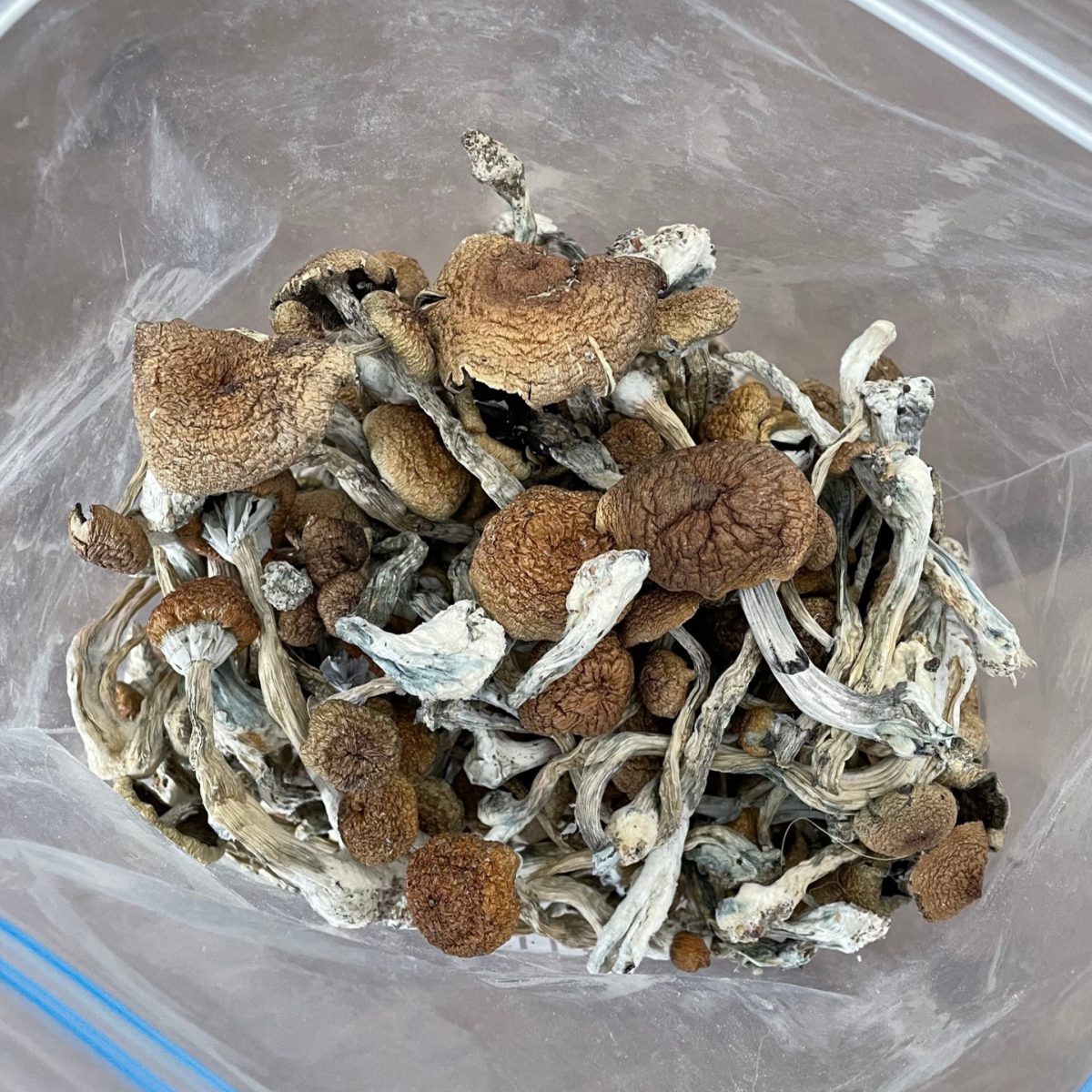
Where Can I Buy Psychedelic Mushroom Online Sweden? Psilocybin therapy is an emerging form of mental health treatment that combines the administration of psilocybin—a naturally occurring psychedelic compound found in certain mushroom species—with structured psychological support. Although psilocybin-containing mushrooms have been used for spiritual and healing purposes by Indigenous cultures for centuries, scientific interest in their therapeutic potential has expanded rapidly over the past two decades. Modern clinical research suggests that, under carefully controlled conditions, psilocybin-assisted therapy may provide meaningful benefits for individuals with depression, anxiety, post-traumatic stress disorder (PTSD), addiction, and existential distress associated with serious illness. Where Can I Buy Psychedelic Mushroom Online Sweden?
Unlike conventional psychiatric medications, which are often taken daily for months or years, psilocybin therapy typically involves one or a few supervised dosing sessions integrated with extensive preparation and psychotherapy. Researchers believe that its therapeutic effects arise from a unique combination of neurobiological changes, altered states of consciousness, enhanced emotional processing, and increased psychological flexibility.
This article explores the scientific foundations of psilocybin therapy, including its chemistry, mechanisms of action, effects on the brain, clinical applications, safety considerations, and future directions.
Psilocybin is a naturally occurring psychedelic compound produced by more than 200 species of mushrooms, primarily belonging to the Psilocybe genus. It functions as a prodrug, meaning it is converted within the body into its active form, psilocin.
After oral ingestion:
The effects typically begin within 20–60 minutes, peak after approximately two hours, and gradually diminish over four to six hours.
The primary mechanism behind psilocybin therapy involves serotonin signaling.
Serotonin (5-hydroxytryptamine or 5-HT) regulates:
Psilocin closely resembles serotonin in chemical structure, allowing it to bind to serotonin receptors.
Among these receptors, the 5-HT2A receptor plays the most significant role.
Activation of these receptors produces:
Other serotonin receptors—including 5-HT1A and 5-HT2C—may also contribute, but the majority of therapeutic effects appear linked to 5-HT2A receptor activation.
Modern neuroimaging has transformed our understanding of psychedelic therapy.
Researchers use:
These techniques reveal widespread changes in communication across brain networks. Where Can I Buy Psychedelic Mushroom Online Sweden?
One of the most consistent findings involves the Default Mode Network (DMN).
The DMN is active during:
Major depression is often associated with excessive DMN activity, leading to repetitive negative thinking.
Psilocybin temporarily reduces DMN activity.
This reduction may:
Many participants describe this experience as “getting out of their own head.”
Normally, brain regions communicate within specialized networks.
During a psilocybin experience:
Researchers describe this as increased global connectivity.
This temporary reorganization may explain why people experience:
After the acute effects fade, some of these adaptive communication patterns appear to persist.
Neuroplasticity refers to the brain’s ability to reorganize itself.
Animal studies suggest psilocybin may:
These findings suggest psilocybin may create a “window of plasticity,” during which psychotherapy becomes particularly effective.
Although human evidence continues to develop, this remains one of the leading hypotheses explaining lasting clinical improvement. Where Can I Buy Psychedelic Mushroom Online Sweden?
Biological effects alone do not explain psilocybin therapy.
Psychological experiences during treatment appear equally important.
Researchers identify several therapeutic processes.
Many psychiatric disorders involve emotional avoidance.
Psilocybin often enables patients to revisit painful memories while experiencing reduced defensiveness.
Instead of avoiding emotions, patients frequently report:
This process resembles exposure therapy but occurs within an altered state of consciousness.
Depression often involves rigid negative beliefs.
Examples include:
Psilocybin appears to temporarily loosen these deeply held cognitive patterns.
Patients become more open to alternative interpretations of themselves and their lives.
One of the most fascinating findings is the association between mystical experiences and positive outcomes.
Common features include:
Interestingly, the intensity of these experiences often predicts long-term therapeutic success.
Researchers emphasize that these experiences need not be religious.
Instead, they appear to foster lasting psychological transformation.
Psilocybin therapy involves much more than taking a drug.
Modern clinical protocols include three phases.
Preparation typically includes several psychotherapy sessions.
Therapists help patients:
Preparation improves safety and reduces anxiety.
The dosing session occurs in a comfortable clinical environment.
Patients often:
Therapists provide reassurance but avoid directing the experience.
The emphasis is on allowing thoughts and emotions to unfold naturally.
Integration sessions occur afterward.
Patients discuss:
Integration helps translate temporary experiences into lasting psychological growth.
Many researchers consider integration essential to successful treatment.
Major depressive disorder is among the most extensively studied conditions.
Several clinical trials have demonstrated rapid reductions in depressive symptoms.
Researchers believe improvements result from:
Unlike many antidepressants, improvements sometimes occur within one day.
Some participants remain improved for months after only one or two sessions.
However, not everyone responds equally well.
Treatment-resistant depression affects individuals who fail multiple conventional treatments.
Studies suggest psilocybin-assisted therapy may help a substantial proportion of these patients.
Some clinical trials report:
Research continues to determine optimal dosing strategies and long-term durability.
Individuals facing terminal illnesses frequently experience:
Clinical trials involving patients with life-threatening cancer have shown impressive improvements.
Many participants report:
Benefits have persisted for several months in some studies.
Researchers are exploring psilocybin therapy for substance use disorders.
Clinical trials have demonstrated unusually high smoking cessation rates when psilocybin is combined with behavioral therapy.
Participants often describe:
Several studies have reported reduced heavy drinking after psilocybin-assisted psychotherapy.
Possible mechanisms include:
Larger studies remain underway.
Interest in PTSD treatment continues to grow.
Potential therapeutic mechanisms include:
Although promising, current evidence remains more limited than for depression.
Further randomized controlled trials are needed.
Early pilot studies suggest psilocybin may reduce obsessive thoughts and compulsive behaviors.
Researchers hypothesize that temporary disruption of rigid neural patterns allows patients to escape repetitive thinking.
Evidence remains preliminary. Where Can I Buy Psychedelic Mushroom Online?
Numerous imaging studies have identified important changes.
Researchers consistently observe:
Reduced activity in:
Increased communication between:
Temporary increases in:
Higher brain entropy refers to greater diversity in neural activity, which may underlie enhanced creativity and flexible thinking.
One of the defining principles of psychedelic science is the importance of set and setting.
Set refers to:
Setting refers to:
Positive environments substantially reduce the likelihood of distressing experiences.
Although psilocybin appears physiologically safe for most healthy adults under medical supervision, risks exist.
Common temporary effects include:
Rare but important risks include:
For this reason, clinical trials carefully screen participants.
Most research excludes individuals with:
People with strong family histories of psychotic disorders may also face increased risk.
Medical evaluation is essential before treatment. Where Can I Buy Psychedelic Mushroom Online Sweden?
Evidence increasingly suggests that psilocybin alone is not the treatment.
Rather, the therapy combines:
The medication creates an opportunity for change.
Therapy helps transform that opportunity into lasting behavioral improvements.
This combination distinguishes modern clinical practice from recreational psychedelic use.
Scientists continue investigating numerous questions.
These include:
International research efforts continue expanding rapidly.
Psilocybin remains a controlled substance in many countries, limiting widespread clinical use. However, regulatory attitudes are evolving as evidence accumulates. Some jurisdictions have established regulated programs for supervised psilocybin services, while others permit access only through approved clinical trials or limited medical pathways. Several national regulatory agencies have also granted “breakthrough therapy” or similar designations to facilitate research into psilocybin-assisted therapy for conditions such as treatment-resistant depression, reflecting the need for innovative treatments and the encouraging results from early studies.
Despite these developments, psilocybin has not yet become a standard treatment in most healthcare systems. Approval requires large, well-controlled clinical trials demonstrating consistent safety, efficacy, quality standards for manufacturing, and robust therapist training protocols. Researchers also continue to examine how to integrate psychedelic-assisted therapy into existing mental health services in a safe, ethical, and equitable manner.
The science behind psilocybin therapy represents one of the most exciting developments in modern psychiatry. By acting primarily on serotonin 5-HT2A receptors, psilocybin temporarily reshapes patterns of brain activity, increases communication between normally segregated neural networks, reduces activity in the default mode network, and may promote a period of enhanced neuroplasticity. These biological effects, combined with profound psychological experiences and structured psychotherapy, appear capable of helping some individuals break entrenched patterns of depression, anxiety, addiction, and emotional distress.
Although the early evidence is promising, psilocybin is not a miracle cure. Its benefits depend heavily on careful patient selection, professional supervision, preparation, and post-session integration. It also carries psychological risks, particularly for people with certain psychiatric or medical conditions, and should not be used as a substitute for evidence-based medical care.
As large clinical trials continue and regulatory frameworks evolve, psilocybin-assisted therapy may become an important addition to mental healthcare. Ongoing research will determine which patients benefit most, how durable the improvements are, and how this treatment can be delivered safely and effectively. If current findings continue to be supported by high-quality evidence, psilocybin therapy has the potential to reshape the treatment of several difficult-to-manage mental health conditions while deepening our understanding of the relationship between the brain, consciousness, and psychological healing. Where Can I Buy Psychedelic Mushroom Online?
