Address
304 North Cardinal St.
Dorchester Center, MA 02124
Work Hours
Monday to Friday: 7AM - 7PM
Weekend: 10AM - 5PM

Europe Legit Psychedelic Shop
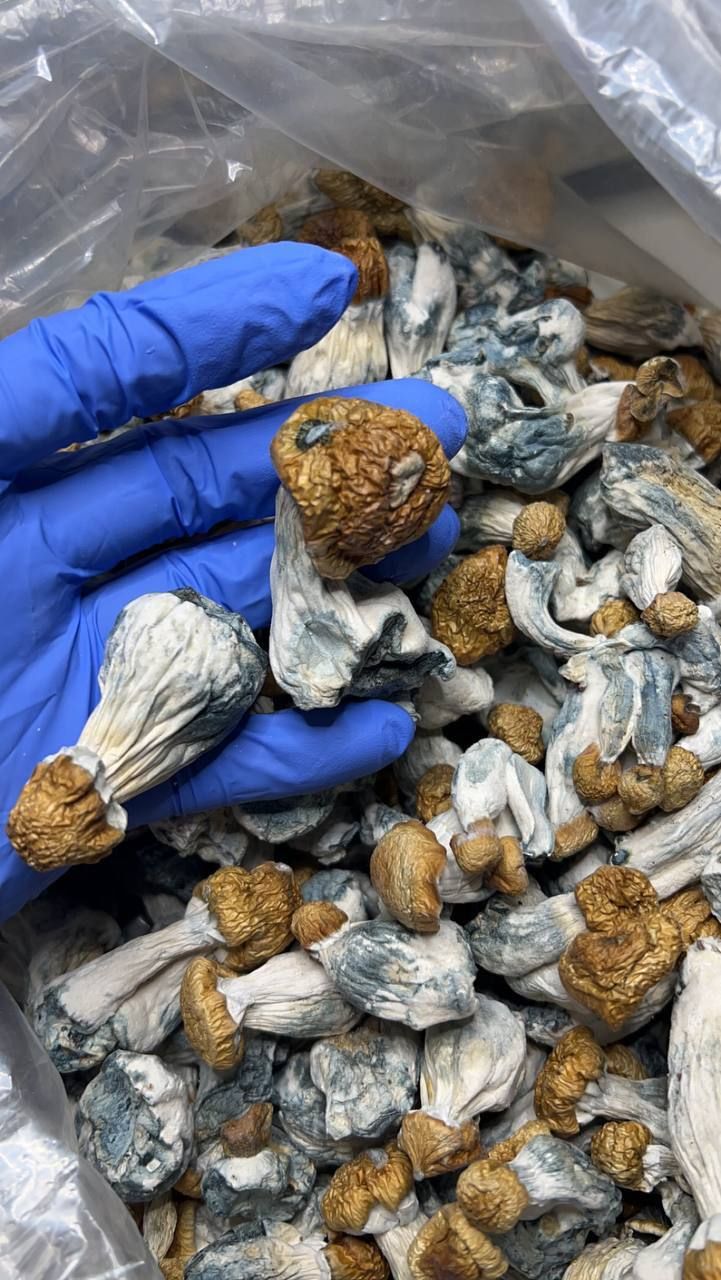
Where to Buy Psychedelic Mushroom Online Portugal? Psilocybin is a naturally occurring psychedelic compound found in over 200 species of mushrooms, commonly known as “magic mushrooms.” For centuries, Indigenous cultures in Central and South America have used psilocybin-containing mushrooms in spiritual, religious, and healing ceremonies. In modern times, psilocybin became the focus of scientific investigation during the 1950s and 1960s, but research slowed considerably following legal restrictions imposed in many countries. Over the past two decades, however, there has been a remarkable resurgence of interest in psilocybin as a potential therapeutic tool for mental health disorders.
Today, researchers from leading institutions have conducted clinical trials exploring psilocybin-assisted therapy for conditions such as treatment-resistant depression, anxiety associated with life-threatening illnesses, post-traumatic stress disorder (PTSD), obsessive-compulsive disorder (OCD), alcohol use disorder, tobacco addiction, and end-of-life psychological distress. Although early findings are promising, scientists emphasize that psilocybin is not a universal cure and should not be viewed as a replacement for established medical treatments.
This overview examines the current scientific evidence regarding the potential benefits and risks of psilocybin, highlighting what research supports, where uncertainties remain, and why careful clinical supervision is considered essential.
Psilocybin is a psychoactive alkaloid that is converted in the body into psilocin, the compound primarily responsible for its psychological effects. Psilocin acts mainly on serotonin 5-HT2A receptors in the brain, altering communication between brain regions involved in mood, cognition, self-awareness, and perception.
Unlike many psychiatric medications that require daily administration, psilocybin-assisted therapy typically involves one or a few supervised sessions combined with extensive psychological preparation and post-session integration therapy.
Researchers believe that the therapeutic effects arise not only from the pharmacological action of psilocybin but also from the psychological experiences it facilitates, particularly when administered in supportive clinical settings. Where to Buy Psychedelic Mushroom Online Portugal?
One of the strongest areas of psilocybin research concerns treatment-resistant depression (TRD). TRD refers to depression that does not respond adequately to at least two standard antidepressant treatments.
Several clinical trials have shown that psilocybin-assisted therapy may produce rapid reductions in depressive symptoms, sometimes within hours or days after administration.
Researchers have reported improvements in:
Some participants maintain these improvements for several weeks or months after treatment, although others experience relapse over time.
Brain imaging studies suggest psilocybin may temporarily reduce rigid patterns of neural activity associated with depression, allowing the brain to develop more flexible patterns of thinking.
However, larger studies are still needed to determine:
Research has also investigated psilocybin in individuals with major depressive disorder (MDD), even when the condition is not treatment resistant.
Clinical studies have found significant reductions in depression scores following supervised psilocybin sessions combined with psychotherapy.
Participants often describe:
Researchers believe these changes may result from both biological and psychological mechanisms.
Nevertheless, psilocybin has not yet become a standard first-line treatment for depression, and more evidence is required before widespread clinical adoption.
Patients diagnosed with cancer frequently experience severe anxiety, depression, fear of death, and existential distress.
Clinical trials have demonstrated that psilocybin-assisted therapy can substantially reduce:
Many participants report:
These benefits sometimes persist for six months or longer following a single therapeutic session.
Researchers consider this one of the most encouraging applications of psilocybin-assisted psychotherapy.
Alcohol addiction remains difficult to treat, with high relapse rates.
Recent clinical trials suggest psilocybin-assisted therapy may significantly reduce heavy drinking days when combined with structured psychotherapy.
Possible mechanisms include:
Participants frequently report experiencing profound personal insights that strengthen commitment to recovery.
However, researchers emphasize that psilocybin alone is unlikely to treat addiction without accompanying behavioral therapy.
Smoking cessation studies have produced encouraging findings.
In early research, many participants maintained abstinence from smoking for months or even years after psilocybin-assisted treatment.
Potential explanations include:
Although promising, these findings require replication in larger randomized clinical trials.
Preliminary studies indicate psilocybin may reduce obsessive thoughts and compulsive behaviors in some individuals with OCD.
Participants have reported temporary reductions in:
Researchers hypothesize that psilocybin may interrupt repetitive neural circuits involved in obsessive thinking.
Current evidence remains limited, and psilocybin cannot yet be considered an established treatment for OCD. Where to Buy Psychedelic Mushroom Online Portugal?
Some observational research suggests psilocybin may reduce the frequency or severity of cluster headaches.
Cluster headaches are among the most painful neurological conditions.
Some patients report:
However, evidence primarily comes from case reports and observational studies rather than large randomized trials.
Psychological flexibility refers to the ability to adapt thoughts, emotions, and behaviors to changing situations.
Research indicates psilocybin may temporarily increase:
These changes may help individuals break free from rigid negative thinking patterns associated with depression and anxiety.
Many psychiatric disorders involve avoidance of difficult emotions.
Psilocybin appears to facilitate emotional processing by helping individuals confront:
Therapists often guide participants through these emotional experiences in supportive environments.
This process may contribute to lasting therapeutic improvements.
Multiple studies have observed increased feelings of connection with:
Some researchers believe this enhanced connectedness contributes to improved psychological well-being.
Many participants describe psilocybin experiences as among the most meaningful events of their lives.
Common themes include:
Research indicates that the intensity of these mystical-type experiences often predicts better therapeutic outcomes.
Scientists continue investigating why these experiences appear linked to symptom improvement.
Emerging laboratory research suggests psilocybin may promote neuroplasticity—the brain’s ability to form new neural connections.
Animal and cellular studies indicate increased:
These findings may partially explain sustained improvements following limited treatment sessions.
However, more human research is necessary.
Despite promising therapeutic potential, psilocybin carries important risks that researchers continue to investigate.
During intoxication, some individuals experience:
These experiences, sometimes called “challenging trips,” can become highly distressing.
Supportive clinical supervision substantially reduces the likelihood of harm.
Psilocybin significantly alters perception and decision-making.
Users may:
For this reason, participants remain under continuous observation during clinical studies.
Common perceptual effects include:
While often temporary, these effects may be frightening for some individuals.
People with personal or family histories of schizophrenia, bipolar I disorder, or psychotic disorders may have increased risk of experiencing prolonged psychotic symptoms following psychedelic use. Where to Buy Psychedelic Mushroom Online Portugal
Clinical trials generally exclude such individuals.
Researchers therefore advise considerable caution.
Rarely, individuals experience persistent visual disturbances after psychedelic use.
Symptoms may include:
Although uncommon, HPPD can significantly affect quality of life.
Psilocybin may temporarily increase:
These changes are usually mild in healthy individuals but may present concerns for patients with cardiovascular disease.
Medical screening is therefore essential before treatment.
Common physical side effects include:
These symptoms are generally short-lived.
Delayed headaches may occur several hours after psilocybin administration.
Most headaches resolve without lasting complications.
Psilocybin can temporarily lower psychological defenses.
While this may facilitate therapeutic breakthroughs, it may also expose individuals to intense emotional pain requiring skilled therapeutic support.
Responses vary considerably depending on:
No two experiences are identical.
Psilocybin may interact with certain medications, including:
Patients should never discontinue prescribed medications without medical supervision.
Most positive research findings come from carefully controlled environments that include:
Outside these settings, risks increase substantially due to:
Researchers consistently emphasize the importance of “set and setting.”
Refers to the individual’s:
Positive preparation generally improves outcomes.
Includes:
Clinical settings are carefully designed to maximize safety.
Although enthusiasm surrounding psilocybin has grown rapidly, several limitations remain:
Consequently, experts caution against overstating current evidence.
Psilocybin remains a controlled substance in many countries, meaning its possession and non-approved use may be illegal. At the same time, regulatory agencies and health authorities in several jurisdictions are allowing carefully designed clinical trials, and a few regions have created regulated pathways for supervised therapeutic use under specific conditions.
Researchers continue to evaluate whether psilocybin-assisted therapy can meet the standards for broader medical approval. Until sufficient evidence on safety, efficacy, and long-term outcomes is available, it is generally considered an emerging treatment rather than an established standard of care.
Research into psilocybin is expanding rapidly. Ongoing studies are exploring its potential use for:
Future research aims to answer key questions about optimal dosing, treatment frequency, patient selection, long-term effectiveness, and how best to integrate psychotherapy with psilocybin-assisted treatment.
Current scientific research suggests that psilocybin has considerable therapeutic potential when administered in carefully controlled clinical settings with thorough psychological preparation, medical screening, professional supervision, and post-session integration therapy. The strongest evidence to date supports its potential role in treating treatment-resistant depression, major depressive disorder, anxiety and existential distress related to life-threatening illness, and certain substance use disorders such as alcohol and tobacco dependence. Early studies also indicate possible benefits for obsessive-compulsive disorder, cluster headaches, emotional processing, psychological flexibility, and overall well-being.
At the same time, psilocybin is associated with important risks. These include acute anxiety, panic reactions, impaired judgment, cardiovascular effects, nausea, headaches, rare but potentially serious psychiatric complications, and the possibility of persistent perceptual disturbances in susceptible individuals. Outcomes vary greatly depending on the individual, the dose, and the environment in which the drug is taken. Importantly, the positive results reported in research have largely occurred in structured clinical settings and should not be assumed to apply to unsupervised or recreational use.
Overall, the evidence indicates that psilocybin is neither a miracle cure nor simply a dangerous hallucinogen. Instead, it appears to be a powerful psychoactive compound with meaningful therapeutic potential that requires careful administration, ongoing scientific investigation, and appropriate clinical safeguards. As larger and longer-term studies continue, researchers hope to better define its benefits, clarify its risks, and determine its appropriate place within modern mental health care.
